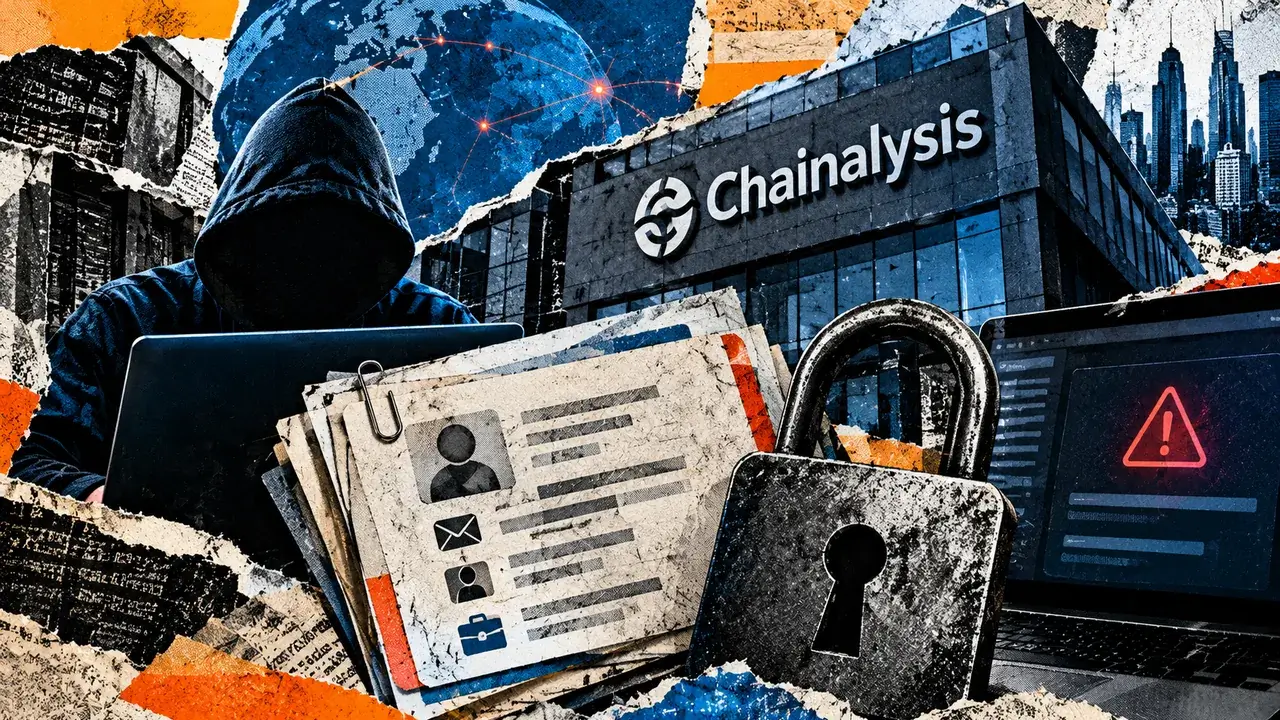
Chainalysis notified its user base in February 2026 that an unauthorized third party gained access to a database containing customer names, email addresses, and specific job titles within their respective organizations. While the firm emphasized that the breach did not compromise investigative data, private keys, or actual blockchain transaction records, the exposure of identities is a major security concern. The company is currently urging all clients to remain vigilant against unexpected authentication prompts and sophisticated phishing attempts that may leverage this leaked professional information.
This incident is particularly significant due to the pivotal role Chainalysis plays in the U.S. crypto ecosystem. As a primary contractor for the FBI, IRS, and major commercial banks, Chainalysis holds the contact information for the world’s leading blockchain investigators. The disclosure of 'company roles' allows malicious actors to launch highly targeted spear-phishing campaigns against the precise individuals who manage institutional crypto flows, potentially leading to deeper system compromises if multi-factor authentication (MFA) protocols are bypassed.
From a regulatory standpoint, this breach may trigger new oversight regarding how third-party crypto intelligence firms handle sensitive metadata. U.S. lawmakers have recently increased focus on the cybersecurity resilience of the infrastructure supporting digital asset markets. While the breach does not affect the underlying security of blockchain protocols like Bitcoin or Ethereum, it highlights a critical vulnerability in the centralized 'human layer' of the crypto forensics industry.
Market participants should watch for further updates from Chainalysis as they conclude their forensic audit to determine the full extent of the records accessed. Investors and institutional employees are advised to transition to hardware-based security keys (U2F) for their professional accounts, as standard SMS or email-based MFA may be insufficient to stop attackers who now possess their specific professional identities. No immediate price impact on major tokens is expected, but the event could dampen institutional confidence in centralized compliance providers.