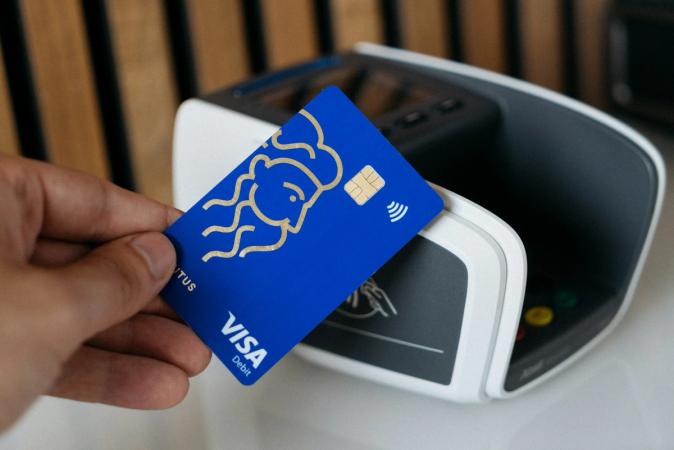
In 2026, crypto card startups are leveraging aggressive reward programs as a strategic loss-leader to capture market share, operating under the assumption that secondary revenue from trading, lending, and staking will offset these initial costs. By offering competitive cashback rates that exceed traditional banking standards, these providers are essentially buying user loyalty to funnel them into more lucrative crypto-native financial products. The ultimate goal is to increase the lifetime value of each customer by becoming their primary hub for all digital asset activity.
This trend highlights a significant shift in the fintech landscape where interchange fees are no longer the primary revenue driver. Instead, startups are relying on the 'ecosystem model,' where the card serves as the entry point for users who will eventually pay spreads on trades or provide liquidity for lending pools. As of mid-2026, venture capital continues to subsidize these rewards, but the pressure is mounting for these firms to prove that 'reward hunters' can be successfully converted into active, high-volume traders.
From a regulatory perspective, the US Consumer Financial Protection Bureau (CFPB) has begun monitoring these cross-selling tactics more closely to ensure that users are not being incentivized into high-risk lending products through deceptively attractive card perks. There is growing concern that if the SEC or other regulators tighten the screws on retail staking—a key revenue pillar for these card issuers—the sustainability of current reward levels could collapse, leading to a repeat of the 'debit card nerfs' seen in previous years.
For the broader market, this strategy maintains a steady stream of retail engagement with major assets like Bitcoin and Ethereum. However, the reliance on staking and trading revenue means that these card programs are highly sensitive to market volatility. If trading volumes dip significantly in the latter half of 2026, these startups may be forced to choose between further diluting their cash reserves or slashing the rewards that attracted their users in the first place.
Investors and cardholders should watch for changes in terms of service regarding staking yields and trading fees. A sudden decrease in staking rewards while card perks remain static often indicates a platform is struggling to balance its customer acquisition costs. The next six months will be critical in determining which providers have built a sustainable bridge between traditional payments and decentralized finance.