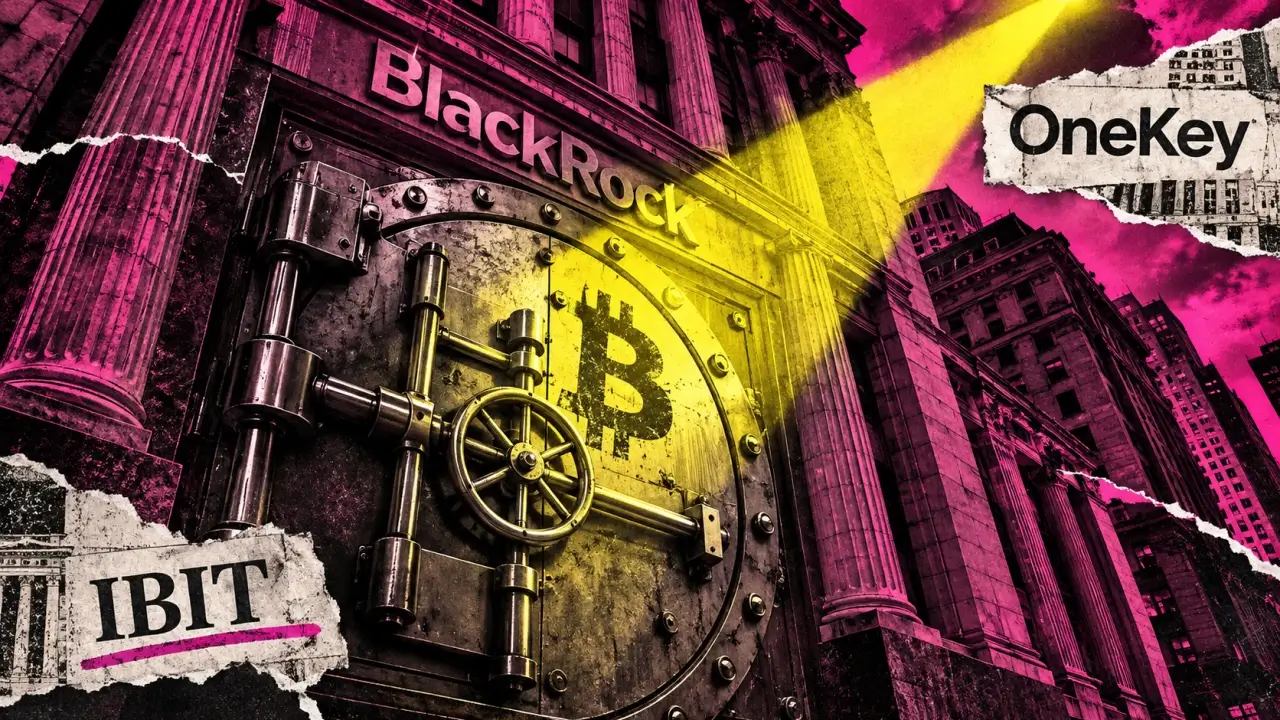
North Korea’s state-sponsored hacking group, known as TraderTraitor, is reportedly targeting BlackRock’s IBIT Bitcoin ETF because its $62 billion in assets under management represent one of the largest centralized 'honeypots' in the crypto industry. OneKey founder Yishi Wang warned in early 2026 that the fund’s massive valuation has likely placed it at the top of North Korea's shortlist for sophisticated cyber-attacks, following a string of high-profile breaches attributed to the regime.
The warning follows a massive $6 billion Binance exploit that US authorities officially linked to North Korean operations. As BlackRock’s IBIT continues to dominate the US exchange-traded fund landscape in 2026, the concentration of so much Bitcoin under a single institutional umbrella creates a high-stakes target for state-level threat actors who leverage advanced social engineering and malware to bypass traditional security.
This threat puts immense pressure on Coinbase, which serves as the primary custodian for BlackRock’s Bitcoin holdings. While Coinbase employs institutional-grade cold storage and multi-party computation (MPC) technology, the persistence of the TraderTraitor operation suggests that hackers are looking for any vulnerability in the human or technical interface between the fund manager and the custodian.
From a regulatory and geopolitical perspective, the risk of a North Korean breach on a US-regulated ETF could have catastrophic implications for market stability. If a state-sponsored actor were to successfully compromise a significant portion of an ETF's underlying assets, it could trigger a systemic liquidity crisis and force the SEC to reconsider the safety mandates currently required for digital asset custodians.
Investors should watch for updates regarding BlackRock’s potential transition to a multi-custodian model to diversify its security risks. Additionally, keep an eye on federal cybersecurity briefings regarding 'TraderTraitor' activity, as any increased chatter could signal a shift in the group’s focus toward US-based institutional crypto infrastructure.