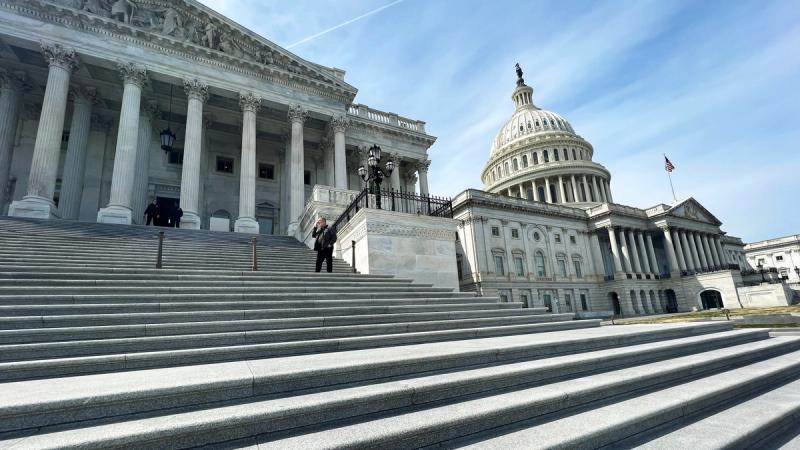
The 2026 midterm elections act as a critical pivot point for U.S. crypto policy, as the resulting balance of power in Congress will determine the priority and success of comprehensive digital asset frameworks. A pro-innovation majority could accelerate the passage of major market structure bills, while a divided or hostile legislature likely keeps crypto regulation in a state of gridlock, leaving the industry subject to continued SEC enforcement actions. The outcome will define the legislative agenda for the 120th Congress and establish the regulatory trajectory for the remainder of the decade.
As voters head to the polls, the crypto industry has emerged as one of the most significant donor blocks, funneling record-breaking capital into key battleground states to support candidates who favor clear 'rules of the road.' This election cycle is particularly high-stakes because several key leadership positions on the House Financial Services and Senate Banking Committees are at risk. These committees oversee the SEC and CFTC, meaning the shift in chairmanship could lead to a fundamental change in how digital assets are classified and regulated on a federal level.
Market participants are closely watching for a 'crypto-friendly' shift that could finally unlock massive institutional capital. Legislation clarifying the distinction between securities and commodities is the most sought-after outcome, as it would provide the legal certainty required for major U.S. financial institutions to expand their custody and trading services. Conversely, a victory for candidates favoring restrictive oversight or expanded tax reporting requirements could lead to further 'de-banking' of crypto firms and dampen the sentiment for U.S.-linked blockchain projects.
Beyond the top-line results, readers should monitor the influence of the crypto voting bloc in swing states. The performance of single-issue crypto voters will likely dictate how future presidential candidates approach the sector in 2028. Following the election, the immediate focus will shift to the 'lame duck' session and subsequent committee assignments in early 2027, which will provide the first concrete signals of whether the new Congress intends to pass a comprehensive crypto bill or maintain the existing regulatory friction.