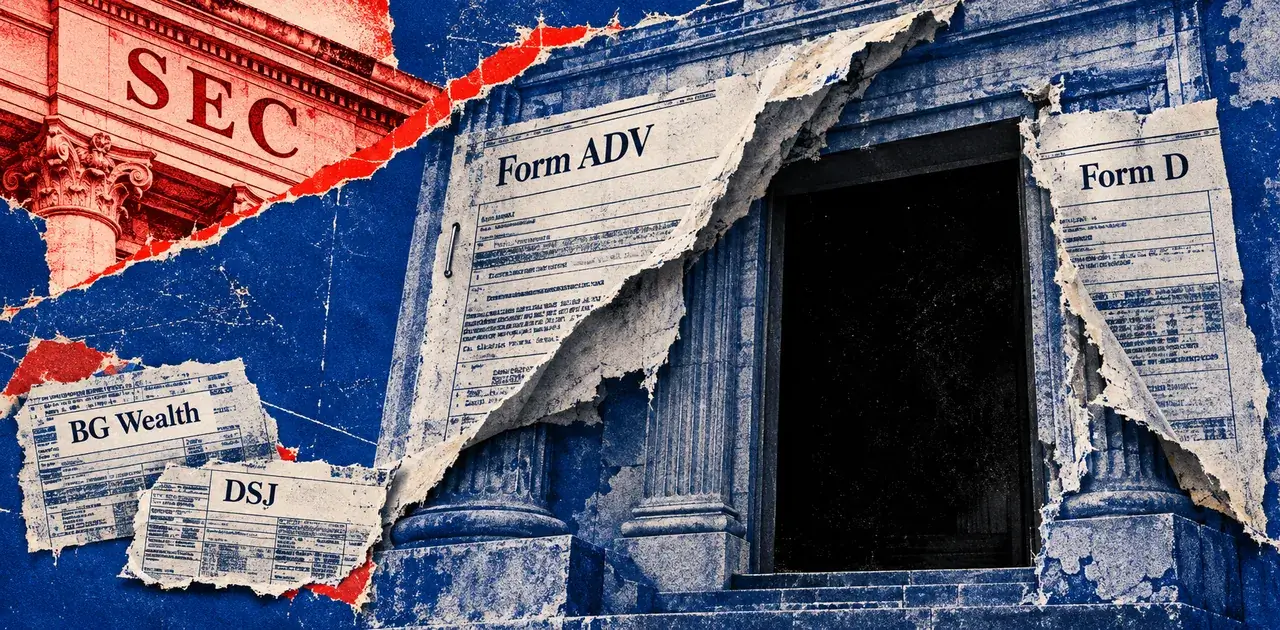
The SEC has filed a formal complaint alleging that scammers successfully weaponized the agency’s own website to lure victims into a fraudulent crypto scheme totaling $130 million. By utilizing the SEC's digital presence and official-looking documentation, the perpetrators were able to bypass the typical skepticism of investors, leading them to believe the project had received federal oversight or approval. The agency is currently pursuing a targeted future filing bar against the defendants, alongside significant monetary penalties for the alleged fraud.
This case represents a sophisticated breach of the regulatory trust model. Rather than operating in the shadows, the scammers hid in plain sight by exploiting the SEC's EDGAR filing system or branding to present their tokens as compliant assets. The $130 million loss highlights a growing trend in 2026 where bad actors prioritize psychological manipulation and the appearance of 'regulatory clarity' over traditional hacking methods to drain investor funds.
From a regulatory standpoint, this event is likely to trigger a massive overhaul of how the SEC manages its public-facing digital assets and verification protocols. US lawmakers are already questioning how a nine-figure fraud could be facilitated using the government's own domain, potentially leading to new legislation regarding the security of federal financial databases. The impact on market sentiment is notable, as it suggests that even 'official' sources of information require additional verification in the volatile crypto landscape.
For crypto investors and DeFi participants, this serves as a stark reminder that regulatory presence does not always equal asset safety. As the SEC seeks to bar these individuals from future participation in the markets, the industry will be watching to see if this leads to stricter registration requirements for all digital asset firms. The outcome of this case will likely define the SEC's enforcement strategy for the remainder of 2026, focusing heavily on the intersection of cybersecurity and investor protection.
In the coming months, market participants should watch for updates on the requested 'filing bar' and whether the SEC introduces new watermarking or verification technologies for its public filings. If the SEC successfully secures the bar, it will set a significant legal precedent for how the US government handles the weaponization of its own infrastructure by crypto criminals.