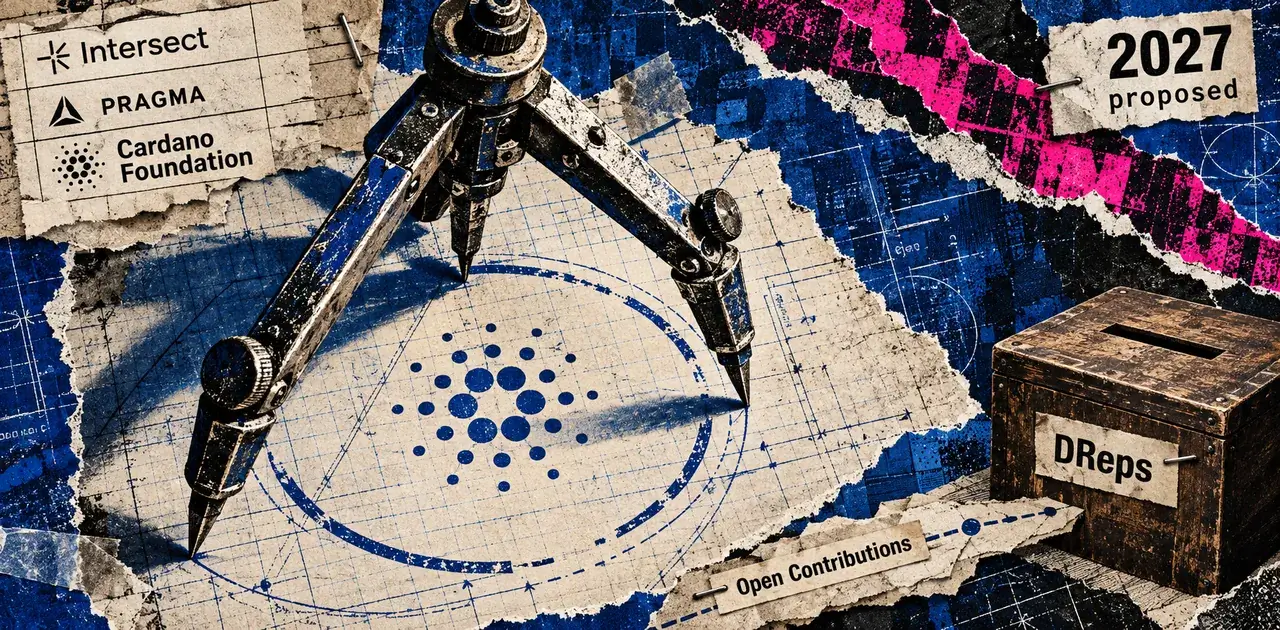
The Cardano 2027 budget proposal seeks to change the rules regarding who can receive funding, specifically allowing funding stewards to apply for grants within the ecosystem. Under this new framework, individuals tasked with managing or influencing the grant assessment process would no longer be barred from seeking financial support for their own projects. This shift is designed to ensure that the most active and knowledgeable participants in the Cardano network can continue to contribute without facing personal financial penalties for their governance roles.
While the proposal allows stewards to seek grants, it maintains a system of checks and balances through Delegated Representatives (DReps). DReps will retain their critical role in voting on actual spending, serving as a buffer against potential conflicts of interest that might arise from stewards influencing their own assessments. This separation of powers is intended to protect the Cardano treasury while streamlining the path for specialized development and ecosystem growth.
From a regulatory and governance perspective, this proposal highlights the ongoing evolution of Cardano’s decentralized government. By moving toward a model where stewards can be both contributors and overseers, Cardano is testing the limits of decentralized autonomy. Critics argue this could lead to 'governance capture,' where a small group of insiders dominates the treasury, while proponents suggest it is necessary to attract and retain high-tier talent in a competitive Layer-1 landscape.
For investors and ADA holders, this news signals a maturation of the Project Catalyst funding model. If the proposal passes, the market should watch for how DReps exercise their oversight and whether the transparency of the assessment process remains intact. The next major milestone will be the formal on-chain vote by the DRep community to ratify these budget parameters for the 2027 fiscal cycle, which will determine the future flow of capital within the network.