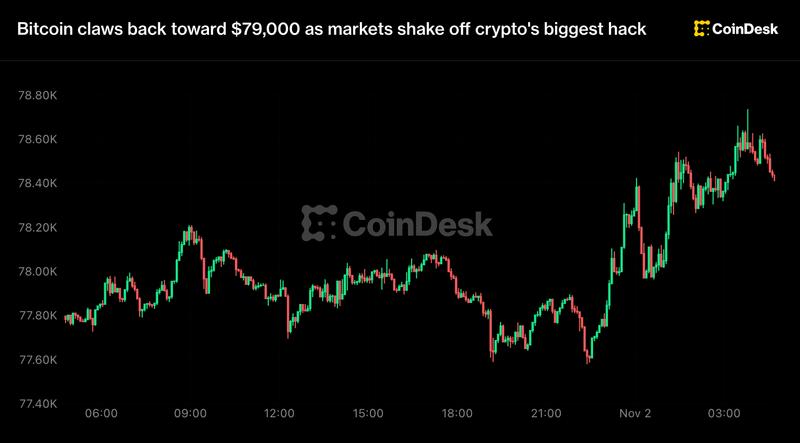
The 2026 U.S. midterm elections and reports of the Trump administration favoring diplomatic extensions with Iran have provided a significant macro tailwind, allowing Bitcoin to climb back toward $79,000. This shift in geopolitical sentiment is effectively offsetting the fear generated by the industry’s most significant hack to date, as traders move back into risk-on assets. The market's ability to shake off a major exploit suggests that institutional liquidity remains committed to the current price floor despite high-profile security failures.
While Bitcoin nears its psychological resistance level, Zcash (ZEC) has emerged as the leader among major altcoins. This surge in privacy-focused assets coincides with a slide in oil prices, triggered by the prospect of continued Iranian diplomacy. For crypto markets, lower energy prices typically signal reduced inflationary pressure, providing more room for the Federal Reserve to maintain a neutral or dovish stance as Americans head to the polls this Tuesday.
The timing of the 2026 midterms is critical for the crypto sector, as the incoming legislative makeup will likely dictate the next phase of market structure regulations. Investors are currently betting that a diplomatic breakthrough with Iran will stabilize global markets, allowing Bitcoin to consolidate its gains rather than retreating back toward the post-hack lows. This resilience indicates that the 'biggest hack in crypto history' may have been priced in faster than analysts originally anticipated.
Moving forward, readers should closely monitor the election results and any official confirmation regarding the Iran diplomatic roadmap. A clear path to de-escalation in the Middle East could provide the momentum needed for Bitcoin to breach $80,000. Conversely, any renewed volatility in the energy sector or a contested election result could stall the current recovery and refocus attention on the underlying vulnerabilities exposed by the recent hack.