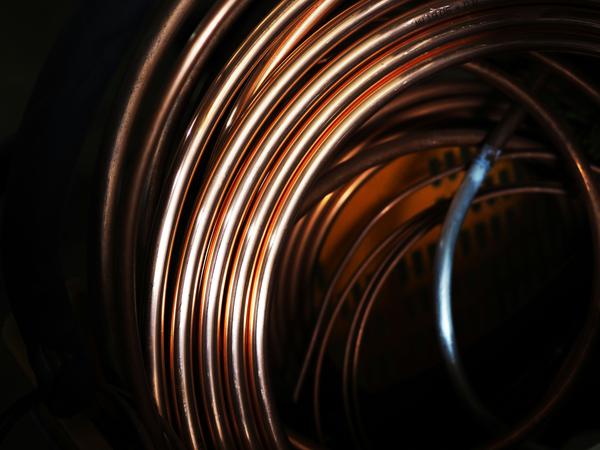
Metals.io is pioneering the tokenization of industrial base metals by issuing digital assets backed by 25 tonnes of physical copper located in Germany. Each token represents a verified claim on a portion of the $366,000 initial stockpile, enabling fractional ownership and transparent on-chain trading of a commodity traditionally reserved for large-scale industrial players and futures traders. By moving these assets onto the blockchain, the company aims to provide a more accessible entry point for investors looking to hedge against inflation using physical materials.
The project highlights the accelerating trend of Real World Assets (RWA) in the 2026 crypto landscape. By utilizing regulated storage facilities in Germany, Metals.io leverages the country’s clear legal framework for digital securities to provide institutional-grade safety for retail and professional investors. This launch marks a strategic shift from the 2024-2025 focus on precious metals like gold toward industrial metals that are critical to the global green energy transition, such as copper for electric vehicles and power grids.
For US-based investors, this development represents a significant evolution in commodity exposure that bypasses the complexities of traditional futures markets like COMEX. However, the cross-border nature of German-stored physical assets being traded on global ledgers may invite regulatory observation from the SEC and CFTC regarding the classification of these tokens as commodity-linked securities. The transparent nature of the blockchain ensures that the 25-tonne reserve is auditable in real-time, addressing long-standing concerns regarding physical backing in commodity markets.
Market analysts expect this move to increase liquidity for copper as a store of value within DeFi protocols, potentially allowing these tokens to be used as collateral for decentralized loans. As Metals.io moves beyond this $366,000 pilot phase, observers should watch for the expansion of their storage network into other jurisdictions and the potential tokenization of other industrial metals like nickel and lithium. The success of this initiative could lead to the first diversified, on-chain industrial metal index by the end of the year.