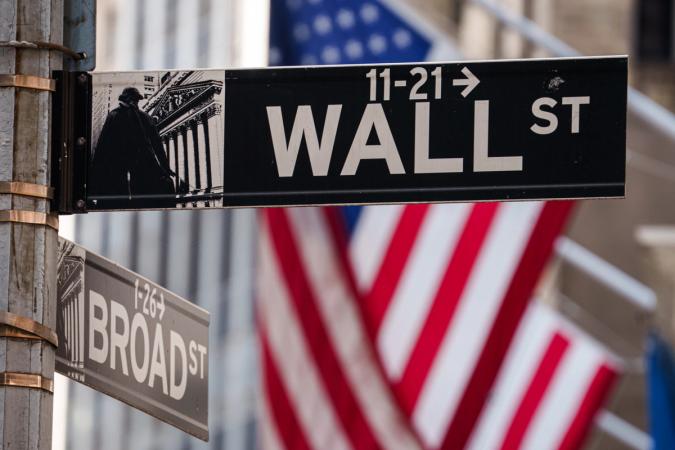
The New York Stock Exchange is collaborating with Wall Street giant Broadridge to migrate shareholder voting processes onto a proprietary blockchain infrastructure for its new digital asset venue. By leveraging Broadridge’s established role in corporate services, the NYSE is ensuring that investor rights—traditionally managed through complex, paper-heavy systems—are recorded on-chain. This allows for immutable, instantaneous verification of votes and dividends, directly answering the industry's need for more efficient corporate action processing.
This partnership addresses a long-standing inefficiency in proxy voting, where record dates and beneficial ownership can often lead to reconciliation errors and delays. By moving these processes to a distributed ledger, the NYSE provides institutional and retail investors with a single, verifiable source of truth. The initiative represents a significant step in the exchange's broader strategy to bridge traditional equity markets with decentralized technology, effectively digitizing the 'plumbing' of Wall Street.
From a regulatory perspective, the move aligns with the SEC's 2026 focus on the tokenization of real-world assets (RWA) and the modernization of market infrastructure. This transition by a legacy heavyweight like the NYSE signals that blockchain technology has moved beyond speculative trading and into foundational compliance and governance roles. The success of this integration may set a new standard for how global exchanges handle investor communications and corporate transparency.
Investors and market analysts should watch for the official launch of the NYSE's blockchain venue later this year and the potential expansion of these features to the main exchange. The rollout will likely influence how other major financial institutions approach the tokenization of governance. As more corporate services move on-chain, the demand for interoperable blockchain solutions that can handle high-stakes financial data is expected to rise across the US market.