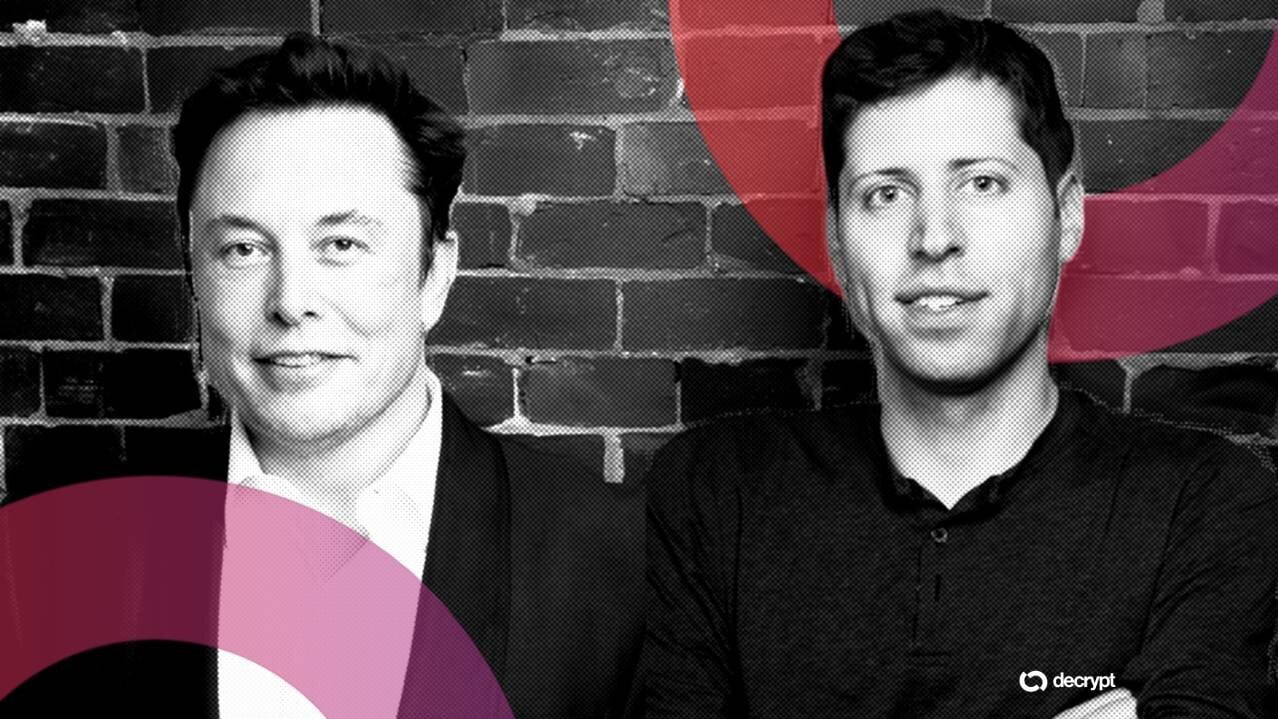
Elon Musk mocked Sam Altman because the OpenAI CEO characterized the idle memory in consumer PCs as a wasted resource while data centers face a critical supply crunch. Musk’s reaction reflects a broader skepticism toward centralized AI leaders who view private hardware as untapped capacity for their own scaling needs. While Altman views the idle RAM as an inefficiency, critics and decentralization advocates see his stance as a potential precursor to big tech attempting to co-opt consumer hardware for proprietary AI training.
This conflict comes at a time when the cost of specialized AI chips has reached record highs in 2026, forcing companies like OpenAI to look for unconventional ways to expand their compute power. In the cryptocurrency sector, this exact problem is the foundation of Decentralized Physical Infrastructure Networks (DePIN). Projects in this space have long argued that consumer hardware should be utilized, but only through voluntary, incentivized, and decentralized protocols rather than centralized corporate oversight.
For the US market, this public spat signals a potential shift in how hardware resources are managed. If OpenAI or its partners attempt to integrate consumer hardware usage into their software terms, it could trigger significant regulatory debates regarding data privacy and hardware sovereignty. Conversely, Altman’s admission that data centers are reaching a breaking point could serve as a major fundamental driver for decentralized compute platforms that already offer these services.
Investors should watch for any new software updates from major OS providers that include 'background compute' features, as this would confirm Altman's vision is moving toward implementation. In the crypto markets, the narrative of 'Compute as Currency' is likely to gain momentum as the tension between Musk’s hardware-first approach and Altman’s resource-sharing vision continues to play out in the media.