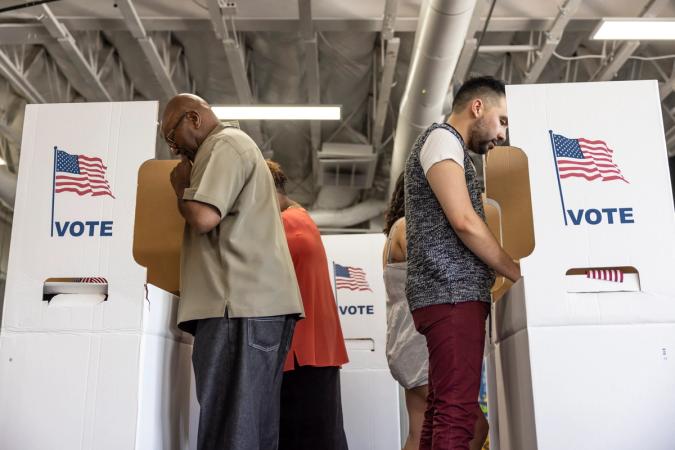
Major crypto intermediaries are using the 2026 election cycle to consolidate their influence over US policy by positioning themselves as the sole gatekeepers of blockchain innovation. As Berkeley Law lecturer Hermine Wong argues, these large-scale platforms are attempting to capture voter loyalty by claiming to represent the 'technology,' while their primary goal is often to secure regulatory outcomes that favor centralized business models. This shift marks a departure from the industry's historical focus on decentralized protocols and technical sovereignty.
The political landscape in 2026 has been defined by unprecedented spending from crypto-focused Super PACs, which have become some of the largest contributors in the midterm races. These organizations are not just funding candidates; they are actively shaping a narrative that equates the health of the crypto ecosystem with the success of a few dominant intermediaries. This has created a 'trap' for voters and users who may inadvertently support policies that entrench centralized middlemen at the expense of true peer-to-peer innovation.
From a regulatory standpoint, this trend suggests that the next wave of US crypto legislation may be heavily influenced by the lobbying arms of these major exchanges and service providers. For investors, this means the regulatory environment could become increasingly favorable for compliant, centralized entities, potentially leading to stricter hurdles for decentralized finance (DeFi) projects that lack the political capital to fight back in Washington.
Readers should closely watch the specific policy promises made by midterm candidates who receive the bulk of industry funding. The key indicator of success for these intermediaries will be whether new legislation reinforces the role of regulated platforms as the mandatory entry point for all US retail crypto activity. As the election approaches, the distinction between supporting the technology and supporting the companies that facilitate it will be the most critical debate for the community.