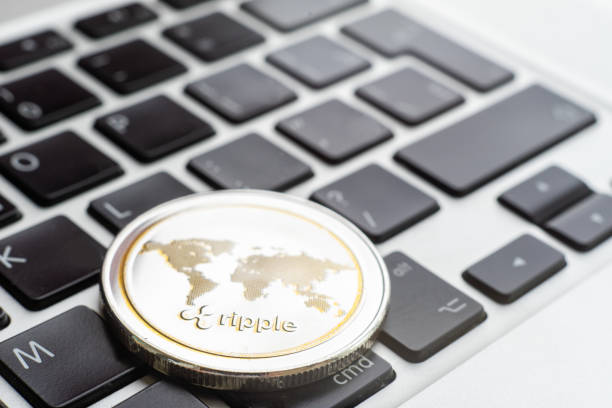
Ripple’s RLUSD stablecoin is being integrated into Water.org’s financial pipeline to provide near-instant settlement for humanitarian funding directed at local micro-lenders in developing regions. By leveraging Ripple’s enterprise-grade custody solutions alongside the USD-pegged stablecoin, the partnership eliminates the multi-day delays and high intermediary fees typical of traditional banking-based aid transfers. This 2026 expansion ensures that capital intended for urgent water and sanitation infrastructure is deployed efficiently and transparently, answering the critical need for faster liquidity in the non-profit sector.
The expansion marks a significant step for Ripple’s stablecoin ecosystem, moving beyond theoretical use cases into large-scale philanthropic operations. The central test of this phase is the "last-mile" efficiency—measuring how quickly funds move from global donors to local lenders who provide micro-loans to families. By utilizing RLUSD on the XRP Ledger (XRPL), the process maintains high liquidity while adhering to the strict compliance standards required for US-based humanitarian organizations operating globally.
From a regulatory perspective, this move aligns with the 2026 landscape of clarified stablecoin oversight in the United States, where institutional-grade assets like RLUSD are favored for their transparency and auditability. For Ripple, this partnership serves as a proof-of-concept for US regulators and global NGOs, demonstrating that blockchain-based aid can mitigate the risks of currency devaluation and fund mismanagement often found in volatile emerging markets. It highlights the growing geopolitical importance of US-led stablecoin initiatives in maintaining financial influence through humanitarian channels.
Market observers view this as a bullish signal for the XRP Ledger ecosystem, as it demonstrates real-world utility that drives transaction volume and network effects. As Ripple continues to integrate its custody services with stablecoin issuance, it positions itself as a primary infrastructure provider for "Impact Finance." Investors and analysts should watch for upcoming reports on the velocity of these aid payments and whether other global NGOs adopt the RLUSD framework for their 2026 funding cycles, which could further cement Ripple's role in the global financial plumbing.