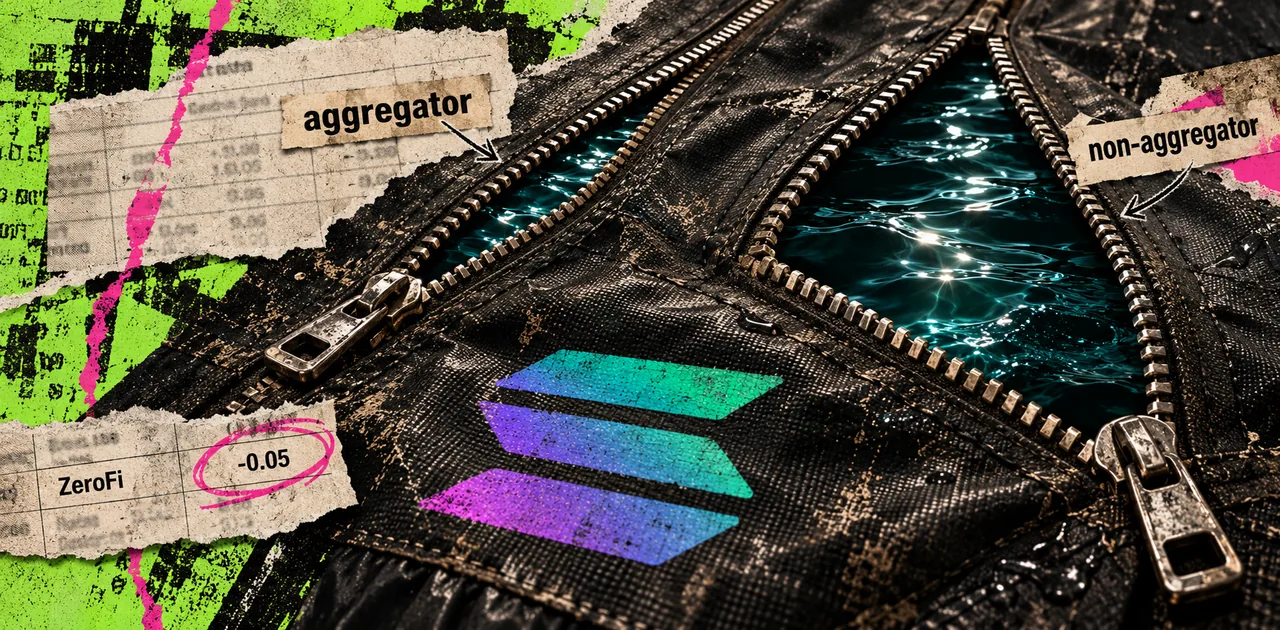
A recent study conducted in September 2026 confirms that Solana DEX aggregators remain the superior choice for traders seeking to minimize slippage, as five out of six sampled liquidity pools showed wider round-trip spreads for direct, non-aggregator swaps. While the research stopped short of proving exact per-swap savings for every scenario, the trend clearly favors automated routing protocols that can tap into multiple sources of liquidity simultaneously to narrow the gap between bid and ask prices.
This data arrives at a critical time for the Solana ecosystem, which has seen a surge in liquidity fragmentation across a growing number of specialized decentralized exchanges. The study’s finding that non-aggregator spreads are consistently wider suggests that direct interaction with individual DEX contracts may lead to higher costs for retail users who bypass the sophisticated path-finding algorithms offered by major Solana aggregators. For institutional participants, this reinforces the necessity of using advanced execution layers to maintain capital efficiency.
In the U.S., where regulatory discussions around "best execution" in DeFi are intensifying, these findings provide an empirical basis for how decentralized protocols manage price discovery. As the SEC and other bodies look closer at market structure, the ability of aggregators to demonstrably tighten spreads could serve as a defense for the efficiency of permissionless markets. US traders should prioritize these platforms to ensure they are not losing value to inefficient manual routing during periods of high volatility.
For the broader market, the dominance of aggregators in providing better spreads suggests that individual DEXs may soon pivot away from direct consumer-facing interfaces, focusing instead on providing the deepest possible back-end liquidity for routers to plug into. This shift could lead to a more streamlined user experience across the Solana network, though it may also concentrate power within a few dominant aggregator protocols.
Looking ahead into late 2026, investors should monitor whether new liquidity incentives or technical upgrades at individual DEX venues can close the spread gap. If direct pool swaps remain significantly more expensive, we expect to see even higher percentages of Solana’s total volume flowing through a handful of primary routing hubs, further solidifying the aggregator-centric model of the ecosystem.