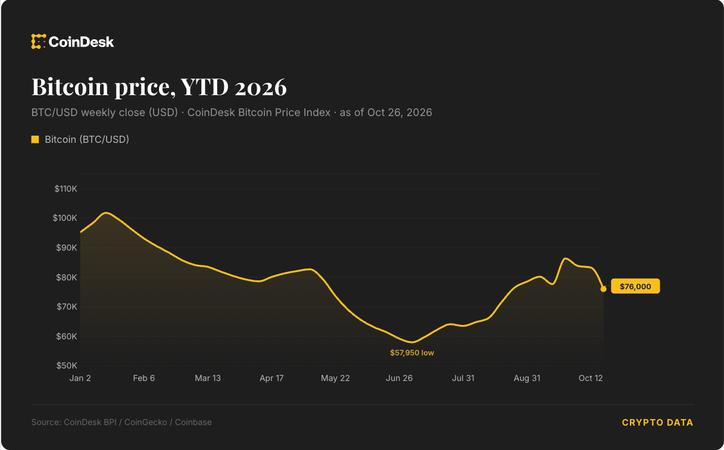
The 2026 U.S. midterm elections are acting as a significant headwind for Bitcoin, contributing to a rare fifth straight week of losses. Investors are moving to the sidelines in anticipation of a potential shift in the Congressional balance of power, which will dictate the future of digital asset regulation and tax policy. This political tension has stifled the typical 'buy-the-dip' sentiment, leaving Bitcoin vulnerable to its longest losing streak in years.
Beyond the domestic political landscape, Bitcoin is struggling against a 'risk-off' environment exacerbated by traditional market signals. A recent margin warning from Apple has signaled cooling consumer demand, while a fresh rebound in oil prices has renewed fears of persistent inflation. These macro factors are forcing institutional investors to exit volatile assets like BTC in favor of energy commodities and cash preservation as the election cycle nears its peak.
If Bitcoin closes this week in the red, it will mark its joint third-longest losing streak in history. This sustained downward pressure reflects a broader lack of conviction among traders who are wary of how a new-look Congress might handle pending crypto market structure bills. The correlation between crypto and tech stocks remains high, making the sector particularly sensitive to corporate earnings disappointments during this period of political transition.
Looking ahead, market participants should closely monitor regional polling data and any shifts in the 'pro-crypto' candidate count. A decisive outcome in the midterms could provide the clarity needed for a relief rally, but a contested or stalemate scenario would likely extend the current volatility. Readers should also watch the energy sector, as sustained high oil prices could force the Federal Reserve to maintain a hawkish stance regardless of the election results.