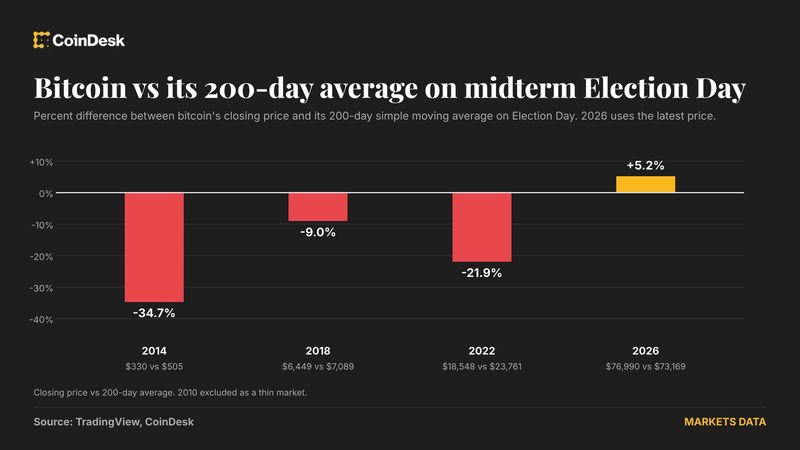
Bitcoin is breaking its historical midterm election pattern on November 3, 2026, because the market has transitioned from a retail-driven speculative cycle to one dominated by institutional liquidity and global macroeconomic pressures. In every midterm year since 2014, Bitcoin followed a predictable path of consolidation followed by a post-election rally; however, the 2026 price action is showing an unprecedented divergence as the market prioritizes Federal Reserve fiscal signals and international regulatory shifts over US legislative turnover.
Historically, the uncertainty surrounding US congressional shifts provided a 'risk-off' environment that resolved into a rally once the election results were finalized. In 2026, this domestic political influence has been diluted by the massive growth of spot Bitcoin ETFs and the integration of BTC into sovereign reserves. These institutional forces operate on a global scale, making the traditional four-year US political script less relevant to Bitcoin's immediate price trajectory than it was during the 2018 or 2022 cycles.
This breakdown in historical correlation matters significantly for traders who have long relied on election years to time their entries. The current deviation indicates that Bitcoin is behaving more like a mature global asset class, such as gold or treasury bonds, which respond more to liquidity cycles than to specific US midterm outcomes. As a result, the 'midterm bottom' that many expected in late 2026 has failed to materialize in the traditional sense, replaced by more complex volatility patterns driven by institutional rebalancing.
Moving forward, investors should watch for the post-election stance of the incoming 120th Congress regarding the long-awaited Federal Stablecoin Act and potential changes to the SEC leadership. While the 2014-2022 pattern may be broken, the legislative landscape following this election will still dictate the long-term regulatory environment for digital assets in the US. Readers should focus on ETF net inflow data and global inflation reports rather than relying on the legacy election-cycle charts that dominated the last decade of crypto analysis.