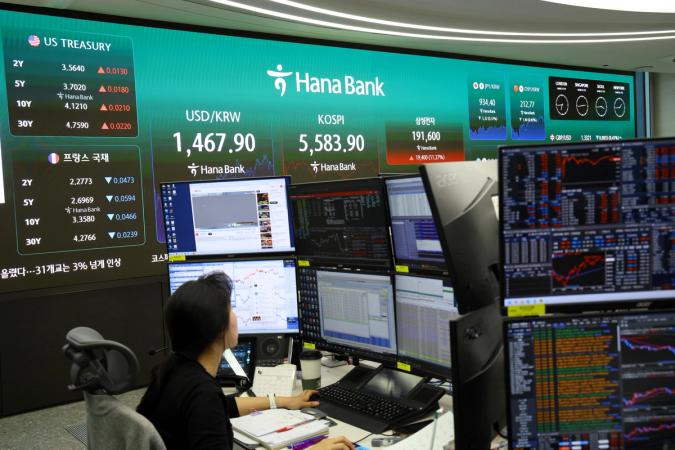
The Bank of Korea (BOK) is evaluating how a major crypto hack would impact the balance sheets and operational stability of the country's top financial institutions through a new, comprehensive risk survey. This inquiry specifically targets the "interconnectedness" between traditional finance and digital assets, asking banks to quantify the potential damage from a total market crash or the sudden failure of a major crypto-native firm. By mandating these disclosures, the central bank aims to identify hidden vulnerabilities in the national banking system that could be triggered by high-volatility events in the crypto sector.
Beyond external hacks, the BOK's investigation dives into the internal infrastructure of South Korean banks, requesting detailed reports on crypto-focused budgets, dedicated blockchain teams, and current investment portfolios. This marks a significant departure from previous years where digital assets were largely quarantined from the core banking sector; in 2026, South Korean regulators are acknowledging that the scale of institutional adoption now poses a systemic risk that requires active, standardized monitoring similar to traditional credit or liquidity risks.
The move follows South Korea's implementation of stricter investor protection laws throughout 2025, signaling a new phase where the BOK and the Financial Services Commission (FSC) seek to prevent a "contagion" effect. By demanding transparency on how banks would react to a sudden liquidity crunch in the crypto sector, the BOK is setting a precedent for other major Asian markets to formalize their digital asset stress tests. This regulatory proactive stance reflects the maturing landscape of the South Korean market, which remains a primary hub for global retail and institutional crypto volume.
For US-based investors and global market participants, this signifies a push toward greater institutional accountability in one of the world's most active crypto economies. If the survey results reveal high levels of sensitive exposure, it may lead to stricter capital requirements for South Korean banks involved in the digital asset space. Moving forward, readers should watch for the official BOK summary report, as it will likely dictate new global standards for how central banks manage crypto-linked systemic risks and could influence international banking regulations under the Basel framework.