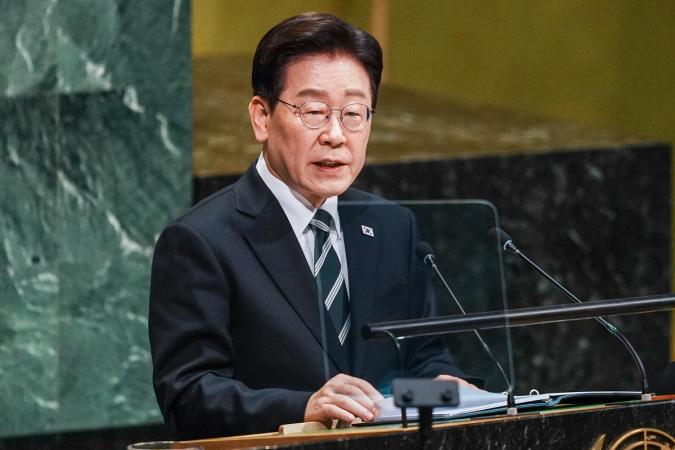
South Korea is moving to appoint a dedicated 'cybersecurity czar' to centralize the nation's defense against high-stakes digital threats following a catastrophic $6.3 billion exploit of Binance in early 2026. President Lee Jae Myung announced that the proposed government-wide agency will be tasked with unifying the country's response to AI-powered attacks that have increasingly targeted both private crypto exchanges and critical public infrastructure. The move signals a shift from fragmented regulatory oversight to a proactive, security-first national policy.
The $6.3 billion Binance hack has served as a wake-up call for South Korea, which remains one of the most active retail cryptocurrency markets globally. The sheer scale of the 2026 breach has exposed vulnerabilities in how international exchanges interface with local banking systems, prompting the Blue House to demand more stringent, real-time monitoring. The new agency is expected to coordinate efforts between the Financial Services Commission (FSC) and the National Intelligence Service to prevent cross-border digital theft.
From a geopolitical perspective, South Korea’s decision reflects growing anxiety over state-sponsored hacking groups and the role of generative AI in automating complex phishing and smart contract exploits. By elevating cybersecurity to a cabinet-level priority, South Korea is positioning itself as a leader in digital asset protection, potentially setting a precedent for how other G20 nations manage the intersection of national security and decentralized finance.
For the global crypto market, this regulatory shift could lead to a dual-track environment where exchanges operating in South Korea must meet significantly higher security benchmarks than those in less regulated jurisdictions. While these measures may increase operational costs for platforms like Binance, they are designed to restore investor confidence and provide a 'safety premium' for the Korean Won-crypto pairs. Investors should closely watch for the formal legislative rollout of the agency and any potential mandatory insurance requirements for exchanges operating within the country.