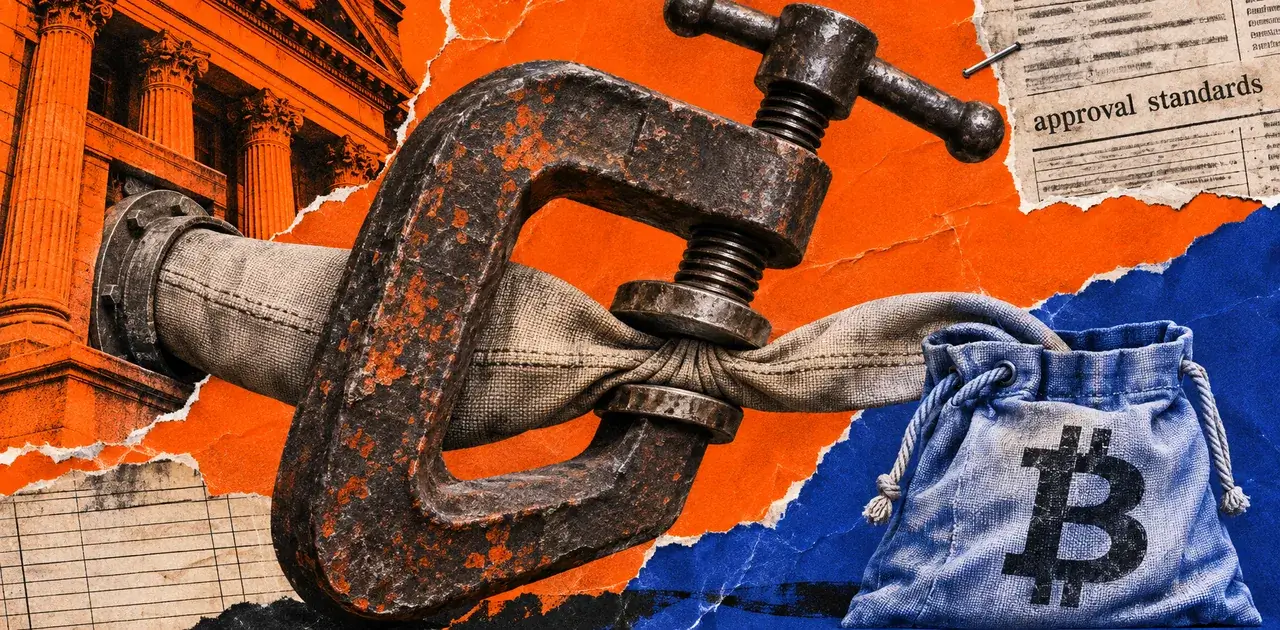
The Federal Reserve’s Senior Loan Officer Opinion Survey, released on November 2, 2026, confirms that tougher bank lending rules have not yet triggered forced Bitcoin sales. Despite more stringent approval processes for commercial and industrial loans, institutional crypto holders are maintaining their positions without being compelled to liquidate for cash. This data provides a crucial sigh of relief for the market, which had feared that a credit crunch would lead to a cascade of margin calls across the digital asset space.
This tightening comes as the Fed continues its efforts to stabilize the traditional banking sector against persistent late-cycle inflationary pressures. The survey highlights a growing divergence in the financial landscape: while traditional US banks are pulling back, demand for nonbank lending—including private credit and specialized crypto-focused financiers—is surging. This shift indicates that the crypto ecosystem is becoming increasingly decoupled from traditional banking rails, though it remains highly sensitive to the overall cost of capital.
For Bitcoin investors, the lack of forced sales is a primary signal of market maturity and structural resilience. It suggests that the leverage currently in the system is either better collateralized than in previous cycles or is held by entities with deeper cash reserves. However, the increased reliance on nonbank demand could introduce new systemic risks if these less-regulated lenders face their own liquidity shocks during the final months of 2026.
Moving forward, investors should closely monitor the Q4 2026 financial disclosures from major Bitcoin-holding corporations and the Fed's year-end policy guidance. The critical metric to watch is whether the increased cost of nonbank credit begins to weigh on the profitability of institutional Bitcoin mining operations, which could eventually lead to secondary market selling pressure if interest rates remain elevated into 2027.