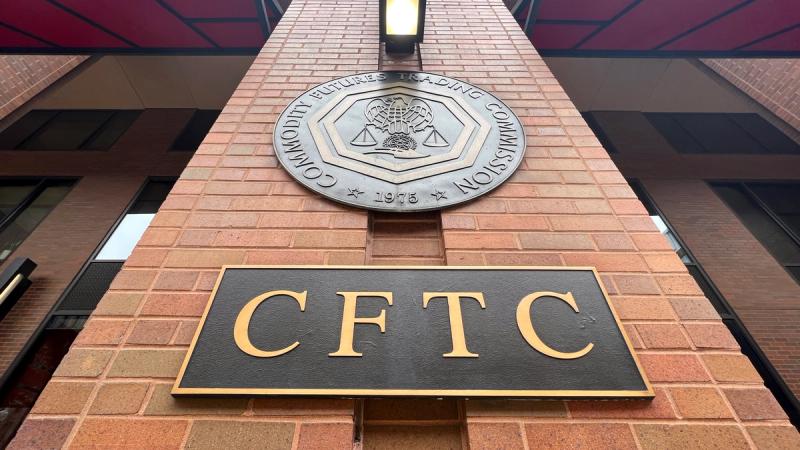
A coalition of financial heavyweights, including Citadel Securities, has filed a legal challenge against the Commodity Futures Trading Commission (CFTC) to prevent the expansion of perpetual futures into the equity markets. The group argues that stock-based perpetuals are effectively securities that belong under the Securities and Exchange Commission’s (SEC) oversight. This move directly targets the CFTC’s recent 2026 efforts to legitimize 'crypto-style' derivatives for traditional assets, creating a jurisdictional rift that could fundamentally alter how digital assets are traded in the U.S.
The conflict centers on whether the 'perpetual' contract structure—which has no expiry and is a cornerstone of the DeFi and centralized crypto exchange markets—is a commodity or a security. By suing to stop stock perps from being regulated by the CFTC, the Citadel-backed group is inadvertently creating a roadmap for the SEC to claim that all perpetual contracts, including those for Bitcoin and Ethereum, should be regulated as securities. If the courts agree that these instruments are securities when tied to stocks, the SEC will have a powerful legal precedent to pursue crypto exchanges for offering similar products without securities licenses.
For the crypto industry, this lawsuit represents a significant 'regulatory contagion' risk. Perpetual swaps account for the vast majority of daily crypto trading volume. A shift in jurisdiction from the CFTC to the SEC would likely result in higher compliance costs, the potential delisting of certain derivative products for U.S. retail investors, and a forced migration of liquidity to offshore or decentralized platforms. This comes at a time when the CFTC had been seen as the more favorable 'light-touch' regulator for the digital asset space.
Moving forward, market participants should watch for the D.C. Circuit Court’s initial rulings on the standing of the plaintiffs and any motions for a preliminary injunction. A victory for the Citadel-backed group would likely embolden the SEC to ramp up enforcement actions against crypto derivative platforms throughout the remainder of 2026. Conversely, if the CFTC successfully defends its jurisdiction, it would solidify the legal standing of the 'perp' as a commodity, providing a major win for the long-term stability of the U.S. crypto derivatives market.