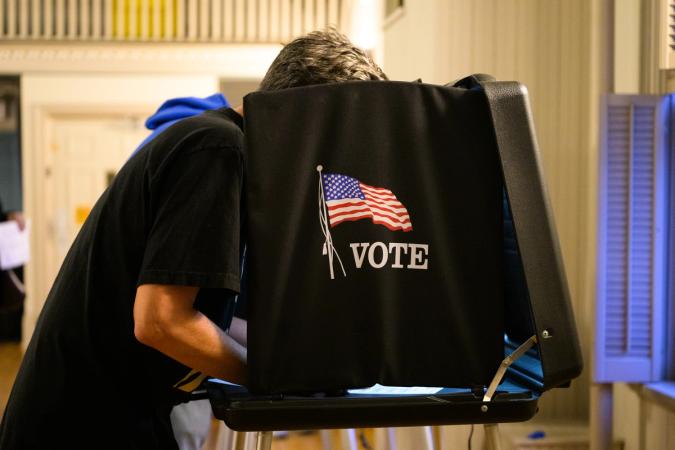
According to the April 2026 poll commissioned by CoinDesk, non-crypto-holding voters in the United States are increasingly viewing the digital asset industry through the lens of national economic competitiveness and financial inclusion. While these voters do not necessarily own Bitcoin or Ethereum, they express a strong desire for the federal government to establish a clear, bipartisan regulatory framework that prevents fraud while fostering domestic innovation. This marks a significant departure from previous years where crypto was often dismissed as a niche or speculative interest by the broader public.
The polling data highlights that the 'crypto voter' demographic has expanded beyond active traders to include those concerned about the stability of the US dollar and the modernization of the banking system. As candidates prepare for the 2026 midterm elections, the survey suggests that a candidate's stance on digital asset regulation is now a proxy for their broader approach to technological progress and economic oversight. Voters are specifically looking for leaders who can balance the growth of the DeFi sector with the stringent consumer protections introduced in early 2026.
From a regulatory perspective, this sentiment is putting pressure on both the House and Senate to finalize pending market structure bills before the election cycle hits full swing. The poll shows that a significant percentage of the electorate is wary of 'regulation by enforcement' and instead prefers legislative clarity that keeps crypto companies within the United States. This political climate is likely to drive more moderate, pro-crypto rhetoric from both major parties as they court the undecided 'middle' of the voting population.
For the crypto market, this mainstreaming of the industry in the eyes of the general public is a neutral-to-bullish indicator for long-term stability. As digital assets become a standard part of the political discourse, the risk of an outright ban or draconian restriction diminishes, replaced by a focus on institutional integration. This trend is expected to provide a more predictable environment for major assets like Bitcoin and Ethereum, which are increasingly viewed by the public as established financial infrastructure rather than mere experiments.
Moving forward, investors should watch for specific campaign promises in key swing states where the 'tech-forward' voter block is most concentrated. The next six months will likely see a surge in crypto-focused political action committee (PAC) spending, aimed at educating these non-owner voters on the benefits of a robust domestic crypto ecosystem. The alignment of voter sentiment with industry goals could be the catalyst for the next wave of institutional adoption and regulatory breakthroughs.