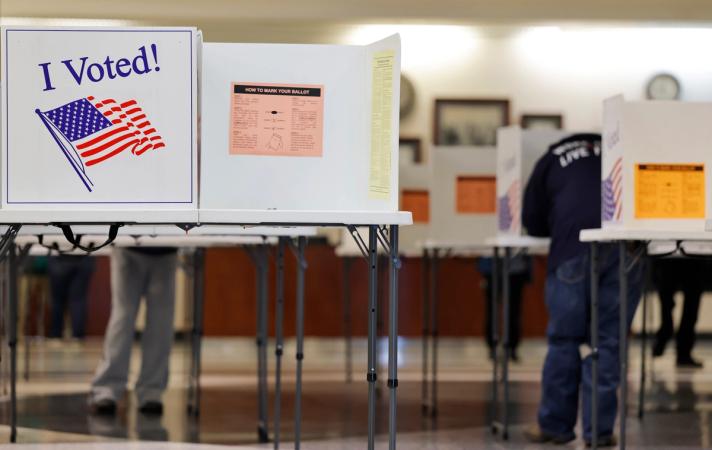
The 2026 U.S. midterm elections serve as a critical turning point for the digital asset industry, as the outcome will directly dictate the leadership of key committees responsible for financial oversight. If pro-crypto candidates secure a majority in the House and Senate, the industry expects a renewed push for a comprehensive market structure framework that clearly defines the boundaries between SEC and CFTC jurisdictions. Conversely, a shift toward more skeptical leadership could result in a continuation of the 'regulation by enforcement' approach that has characterized much of the current decade.
As voters cast their ballots for all 435 House seats and one-third of the Senate, the crypto industry is specifically watching races involving members of the House Financial Services Committee and the Senate Banking Committee. These bodies hold the power to advance or block legislation like the Financial Innovation and Technology for the 21st Century Act (FIT21). High-profile candidates in key swing states have been vocal about their stances on central bank digital currencies (CBDCs) and stablecoin regulation, making crypto a mainstream campaign issue for the first time in a midterm cycle.
The regulatory landscape in the U.S. remains the primary driver of institutional sentiment. Market analysts suggest that a shift toward a more industry-aligned Congress could lead to the approval of a wider variety of spot crypto ETFs and provide the legal certainty required for major banks to integrate blockchain technology. However, if the incoming Congress prioritizes strict anti-money laundering (AML) controls over innovation, we may see a continued exodus of crypto startups to more permissive jurisdictions like the EU or the UAE.
Investors should closely monitor the results of the Senate races in states with a high density of tech workers, as these results will likely influence the next Chair of the SEC. In the immediate aftermath of the election, the market will likely react to the perceived 'friendliness' of the new legislative body. The transition period between the November election and the seating of the new Congress in January 2027 will be a volatile time for policy speculation and its subsequent impact on Bitcoin and Ethereum market dominance.