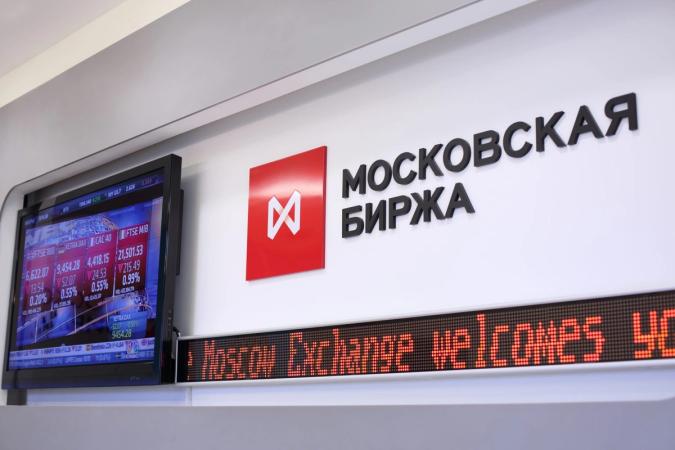
The Moscow Exchange (MOEX) will officially launch Bitcoin and USDT trading pairs in December 2026, marking a pivotal shift in Russia’s approach to domestic digital asset liquidity. By listing these assets, the sanctioned bourse aims to provide a localized, state-monitored alternative for Russian citizens who currently rely on international exchanges to trade and hedge against currency volatility. This move directly challenges the effectiveness of Western financial restrictions by integrating decentralized assets into the heart of Russia’s traditional financial infrastructure.
Historically, Russian authorities have been hesitant to embrace crypto on public exchanges, but the continued pressure of U.S. sanctions has forced a strategic pivot. The inclusion of USDT is particularly significant; as the world’s largest stablecoin, it serves as a primary bridge for cross-border trade. However, because MOEX is on the U.S. Specially Designated Nationals (SDN) list, this listing creates an immediate compliance paradox for Tether, which has a track record of freezing wallets associated with sanctioned entities at the request of the U.S. government.
For the global crypto market, this development increases the 'geopolitical risk' premium associated with USDT. U.S. regulators, including the Treasury Department and OFAC, are expected to scrutinize how these trades are settled and whether Tether’s smart contract controls can—or will—be used to block transactions occurring within the MOEX ecosystem. If the U.S. perceives this as a major sanctions-evasion route, it could lead to heightened regulatory pressure on all stablecoin issuers to implement more aggressive geographic and entity-based blocking.
Investors should watch for the specific technical implementation of these trading pairs and any potential response from Tether’s leadership. While the listing may provide short-term liquidity for Russian traders, it risks further isolating the Russian crypto market if international liquidity providers refuse to interact with any wallets linked to MOEX’s clearing systems. The December 2026 rollout will serve as a crucial case study in the ongoing conflict between state-level sanctions and the permissionless nature of blockchain technology.