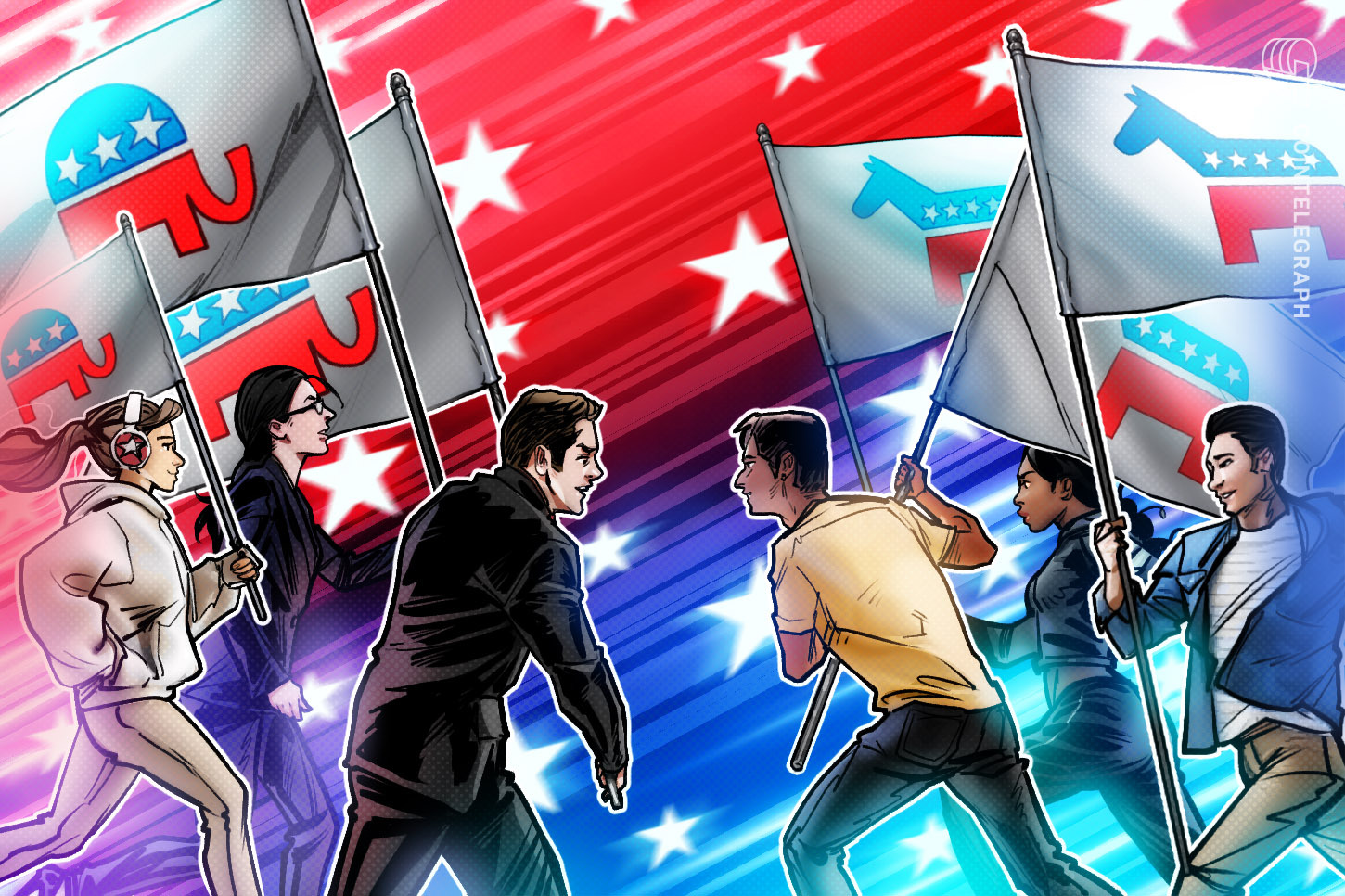
The 2026 midterm elections have resulted in Democrats securing control of the US House of Representatives, a move that will fundamentally reshape the digital asset regulatory landscape when the new Congress convenes in January 2027. By winning the House, Democrats will take over leadership of the House Financial Services Committee and the House Agriculture Committee, granting them the power to set the legislative agenda and launch investigations into the Executive Branch’s handling of cryptocurrency regulation. This shift directly impacts the trajectory of pending market structure bills, likely moving the focus from rapid innovation toward rigorous oversight and anti-money laundering (AML) compliance.
With subpoena power now within reach, incoming Democratic committee chairs are expected to scrutinize the Trump administration's coordination with crypto firms and the Treasury Department’s enforcement of sanctions. This political transition creates a divided government, as the Democratic-led House will act as a check on the pro-crypto initiatives championed by the current administration during the 2025-2026 period. Legislative gridlock is a distinct possibility, which could stall the passage of a comprehensive stablecoin framework or the formalization of a Strategic Bitcoin Reserve.
For the crypto market, this change in leadership introduces a period of heightened regulatory uncertainty. The industry should prepare for a series of high-profile investigative hearings targeting the SEC’s recent pivot toward lighter enforcement and the environmental impact of Bitcoin mining operations. While Republican leadership prioritized the 'Financial Innovation and Technology for the 21st Century Act' (FIT21), a Democratic House is more likely to propose bills focused on protecting retail investors from market manipulation and ensuring platform solvency.
Looking ahead, investors should closely monitor the selection of committee ranking members who will ascend to chairs in 2027. Their previous stances on central bank digital currencies (CBDCs) and DeFi regulation will serve as the primary roadmap for the next two years. As the balance of power shifts, the crypto lobby in Washington will likely face a more challenging environment, requiring a strategic shift to address the specific concerns of the new House majority regarding financial stability and systemic risk.