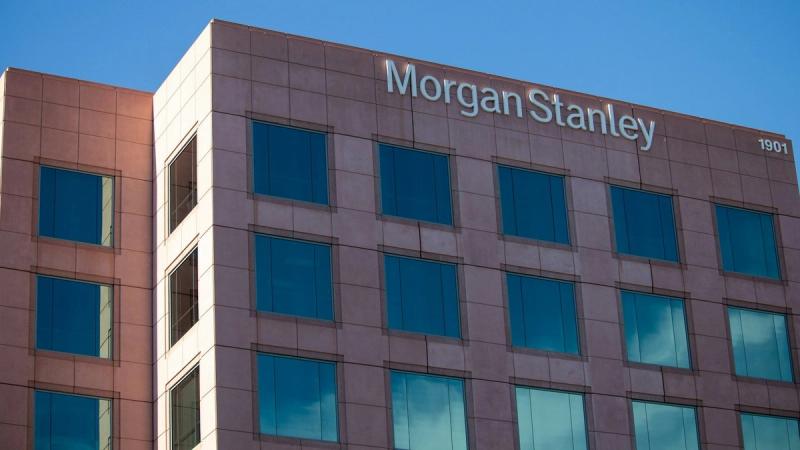
Morgan Stanley is officially leveraging the Depository Trust & Clearing Corporation’s (DTCC) new Tokenization Service (DTS) to bring real-world assets (RWA) into the digital age. By participating in the DTS framework, which launched on October 28, 2026, Morgan Stanley becomes one of the first major US investment banks to systematically digitize traditional securities, bonds, and private funds. This integration allows the bank to move assets with the speed of blockchain while maintaining the rigorous compliance standards required by the US financial system.
The launch of the DTS represents a critical infrastructure milestone for the industry. As the primary post-trade market infrastructure for the global financial services industry, the DTCC’s move into tokenization provides a "green light" for other tier-one banks that were previously hesitant due to settlement risks. Morgan Stanley’s early adoption indicates that the technical and regulatory hurdles for institutional RWA have been significantly lowered, allowing for more seamless collateral management and 24/7 liquidity.
From a regulatory perspective, this development follows a year of intensified focus on digital asset frameworks in the US. By utilizing the DTCC—a trusted, central clearing entity—Morgan Stanley is navigating the fine line between decentralized efficiency and centralized oversight. This hybrid approach is likely to satisfy current SEC and Federal Reserve requirements regarding the custody and transfer of tokenized securities, potentially setting the standard for how RWA protocols will operate in the coming years.
For the broader crypto market, Morgan Stanley’s entry is a massive validation of the RWA thesis. While these assets will initially exist on institutional-grade ledgers, the eventual interoperability between private bank chains and public networks like Ethereum is a primary focus for developers. This move is expected to drive significant interest in protocols that provide the plumbing for tokenized assets, such as Oracle networks and cross-chain communication providers.
Investors should closely monitor the volume of assets Morgan Stanley migrates to the DTS platform in the final quarter of 2026. Furthermore, keep an eye on announcements from other G-SIB (Global Systemically Important Banks) like JPMorgan and Goldman Sachs, as a domino effect in DTCC integration could rapidly accelerate the migration of global wealth into tokenized formats.