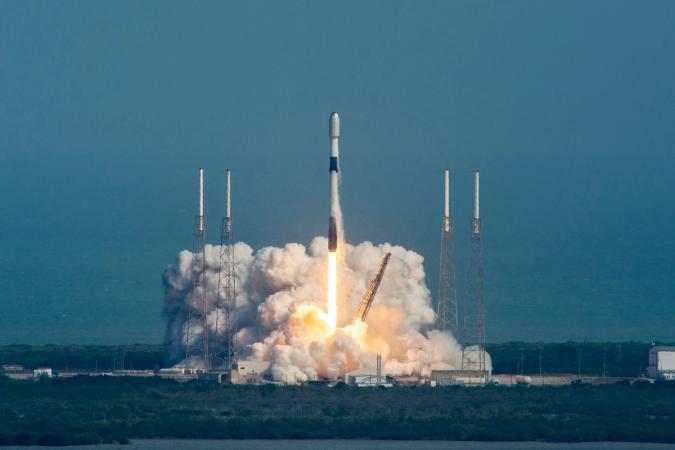
The 2026 Democratic victory in Texas has triggered immediate concerns over potential legislative restrictions on energy-intensive terrestrial data centers, leading Elon Musk to propose space-based data centers as a viable alternative. These orbital facilities are designed to operate outside the jurisdiction of state-level power grids and environmental mandates, providing a 'regulatory-free' environment for high-performance computing (HPC). Musk and investor Chamath Palihapitiya have highlighted that as Texas pivots toward a 'Green Grid' initiative with higher taxes on peak energy users, moving compute infrastructure into the space economy becomes a strategic necessity for the AI trade.
The political shift in Texas is particularly significant given the state's history as a global hub for Bitcoin mining and AI infrastructure. The newly elected Democratic majority has signaled intent to introduce strict carbon caps and mandatory demand-response protocols, which could increase operational costs for land-based facilities by up to 30%. By leveraging the Starlink satellite constellation, Musk aims to create a decentralized compute layer that exists above these terrestrial constraints, effectively decoupling AI development from local political volatility.
For the broader crypto and AI markets, this shift underscores the growing importance of Decentralized Physical Infrastructure Networks (DePIN). If traditional data centers in Texas face throttling during heatwaves or high-demand periods, infrastructure that utilizes satellite-linked nodes could see a surge in valuation. This 'space economy' narrative serves as a hedge against regional regulatory risks, suggesting that the future of massive computational loads may no longer be tethered to specific geographic or political jurisdictions.
Investors and industry stakeholders should closely monitor the upcoming Texas legislative session for the introduction of specific 'Power User' tax bills. Furthermore, the progress of SpaceX’s integrated compute modules will be a critical indicator of whether space-based data centers can achieve the latency required for real-time AI applications. If successful, this transition could redefine the geopolitical landscape for data sovereignty, moving critical digital assets literally out of reach of terrestrial state regulations.