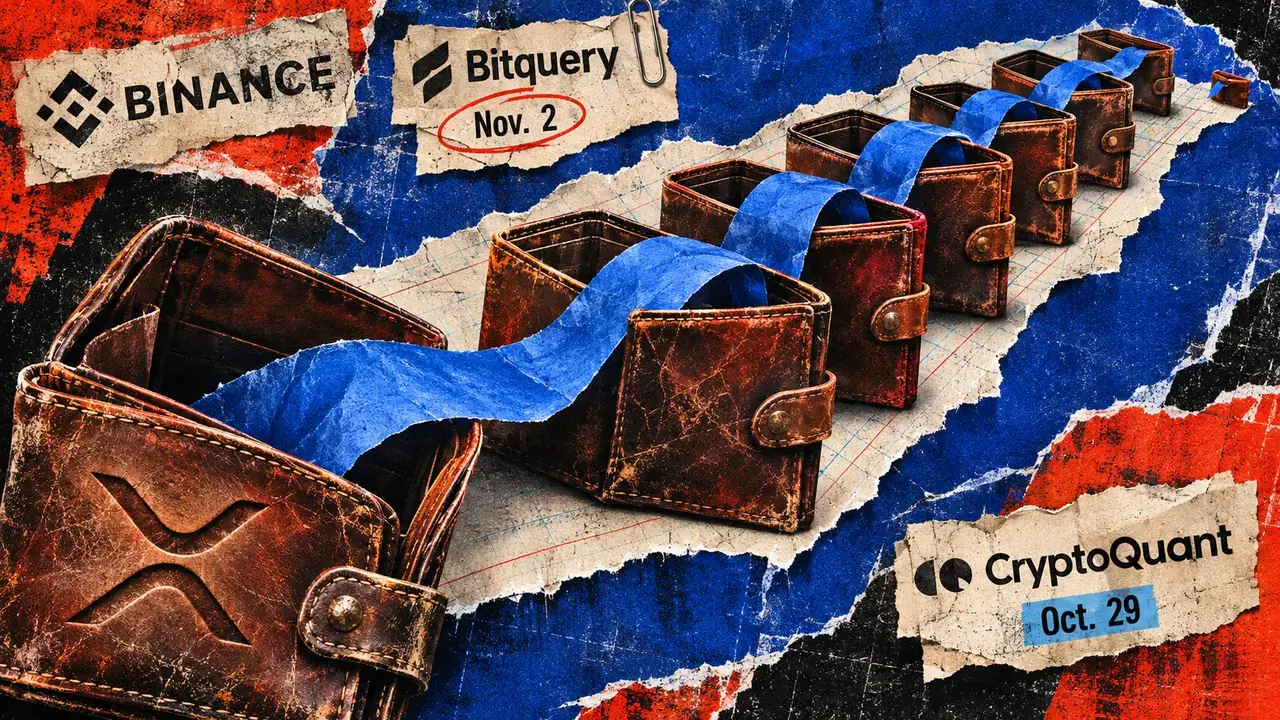
The spike in XRP whale wallet addresses observed in early 2026 is a false indicator of market sentiment, as it stems directly from a major security breach at Binance rather than organic institutional accumulation. On-chain forensic data from Bitquery confirms that the stolen XRP was intentionally dispersed into six distinct wallets, each containing more than one million tokens. This movement triggered automated whale alerts on platforms like Santiment, leading many retail investors to misinterpret the data as a sign of large-scale buying pressure when it is actually the movement of illicitly obtained assets.
Bitquery's tracing efforts reveal a sophisticated attempt by the hackers to obfuscate the trail of the stolen funds. By breaking the haul into chunks of exactly one million XRP, the attackers are likely attempting to fly under the radar of automated exchange monitoring systems that typically flag larger, singular transactions. This tactical move has successfully altered the distribution map of the XRP Ledger (XRPL), artificially inflating the number of high-value holders and making the token's distribution appear more robust than the current market reality supports.
For US-based traders, this event highlights the critical importance of verifying the source of on-chain data before making trade decisions based on "whale" movements. In the 2026 regulatory landscape, where the SEC and CFTC have intensified their scrutiny of exchange security and anti-money laundering (AML) protocols, this breach puts Binance’s custodial security back under the spotlight. The incident serves as a reminder that even as decentralized forensics improve, attackers are finding new ways to exploit the transparency of the blockchain to create deceptive market signals.
Moving forward, investors should watch for updates from data providers like Santiment on whether they will manually filter these six specific addresses from their whale metrics to provide a more accurate market view. Furthermore, the market should prepare for potential volatility if and when law enforcement agencies or exchange security teams successfully freeze these addresses. Until these funds are recovered or blacklisted, the XRP whale count will remain an unreliable metric for predicting price action.