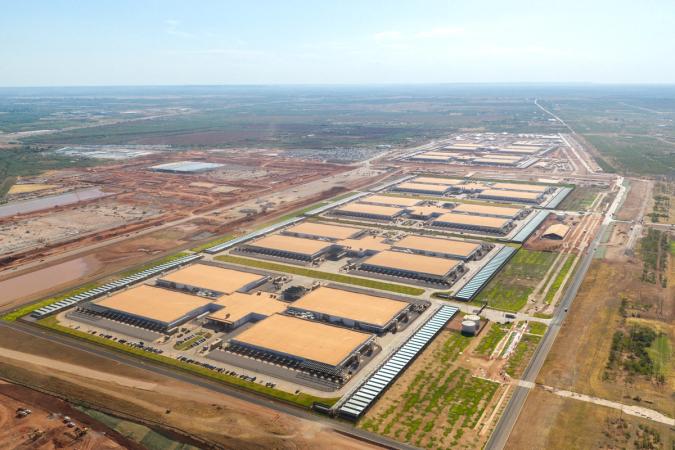
The 2026 Texas election is creating a new layer of risk for Bitcoin mining companies pivoting to AI, as candidates increasingly debate the state's power grid capacity and the priority of energy-intensive data centers. Wall Street analysts are now recalibrating their growth projections for the sector, warning that political pressure on the Electric Reliability Council of Texas (ERCOT) could result in a slowdown for new interconnection permits. This shift threatens to stall the momentum of miners who recently announced large-scale transitions to high-performance computing (HPC) and AI hosting to diversify their revenue streams.
Political scrutiny is intensifying as local leaders face pressure to balance industrial growth with residential grid stability. In the lead-up to the 2026 vote, both legislative and executive branch candidates are being pressed on whether crypto-to-AI pivots should receive the same energy incentives as traditional manufacturing. This political climate has led to a 'wait-and-see' approach from lenders, potentially raising the cost of capital for firms that have not yet broken ground on their Texas facilities. The bottleneck is particularly concerning for miners who relied on the state's historically light-touch regulation to facilitate rapid expansion.
However, this regulatory tightening is creating a bifurcated market that benefits established players. Companies that already possess 'ready-to-plug' infrastructure and approved power permits are becoming highly sought-after assets. As the hurdle for new construction rises, the scarcity of energized, AI-capable data centers in Texas is driving up the premiums for existing sites. This dynamic suggests that while the industry's overall growth rate might slow, the competitive advantage for early-movers with grandfathered power agreements will strengthen.
Investors and market participants should closely monitor upcoming primary debates and ERCOT policy updates scheduled for mid-2026. Key indicators to watch include any proposed legislation that specifically targets 'high-density energy users' or attempts to reclassify the status of Bitcoin mining facilities when they transition to AI workloads. If Texas moves toward a more restrictive permitting regime, we may see a significant shift in capital toward alternative energy-rich states like Oklahoma or Georgia, where the political landscape remains more predictable for data center expansion.