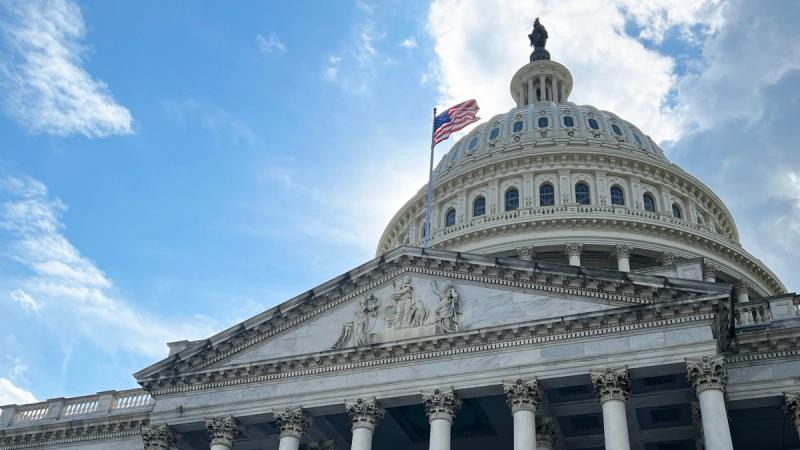
The Clarity Act is widely expected to be abandoned or radically restructured following the Democratic Party’s sweep of the 2026 U.S. Congress. Incoming majorities in both the House and Senate have signaled a shift away from the bill’s industry-friendly provisions, favoring instead a regime of increased oversight. This legislative shift effectively halts the momentum for the Act’s proposed safe harbors for stablecoin issuers and digital asset exchanges, replacing them with a mandate for more aggressive federal supervision.
Legal experts and lobbyists in Washington suggest that the 'Clarity Act,' which was a centerpiece of the 2025 legislative agenda, is now seen as too lenient by the new leadership. The incoming chairs of the House Financial Services and Senate Banking Committees are expected to prioritize consumer protection and financial stability over the expansion of the digital asset sector. This includes a specific focus on tokenized stocks and Real World Assets (RWAs), which may now be subjected to the same rigorous registration requirements as traditional securities, rather than the streamlined process the Act originally envisioned.
For the broader crypto market, this political transition introduces a period of heightened regulatory uncertainty. The transition away from the Clarity Act suggests that the 'regulation by enforcement' era—led by the SEC and CFTC—will likely continue or intensify throughout 2026. Institutional investors who were awaiting a clear legislative 'green light' to launch tokenized products may now face significant delays or be forced to move their operations to more favorable jurisdictions offshore.
Investors should closely watch the first 100 days of the new Congress, specifically the introductory hearings for the 'Market Integrity and Oversight Bill,' which is rumored to be the Democrats' more restrictive alternative to the Clarity Act. Furthermore, any changes to the leadership of the SEC will be a critical indicator of whether the federal government will pursue a total ban on certain DeFi activities or simply impose stricter KYC/AML requirements across all decentralized protocols.