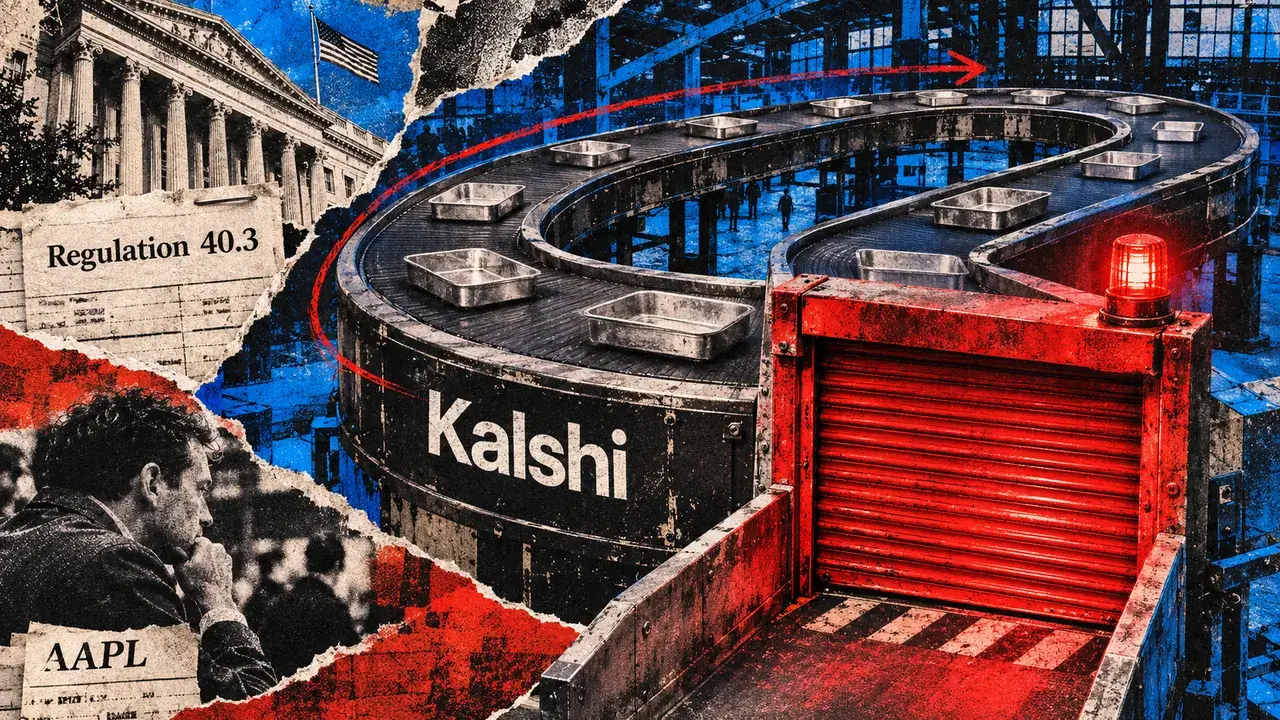
While perpetual contracts in the crypto space are known for 24/7 availability, US stock perpetuals are still subject to traditional market halts that can block traders from exiting positions. According to Coinbase’s September 2026 proposal and current operations at platforms like Kalshi, the "no expiry" nature of these contracts does not guarantee a continuous exit. If the underlying US equity market experiences a volatility halt or is closed for a holiday, the liquidity for the corresponding crypto-based perpetual contract effectively vanishes, leaving traders unable to manage risk in real-time.
The 2026 regulatory landscape has seen a significant push to integrate traditional equities into crypto-native formats. Coinbase’s proposal seeks to formalize how these hybrid instruments behave during "limit up-limit down" (LULD) events on major exchanges like the NYSE. This is a critical development for US-focused crypto intelligence, as it attempts to bridge the gap between the always-on nature of decentralized finance and the highly regulated, time-bound structures of the American stock market.
For investors, this integration introduces a unique form of "halt risk" not typically found in pure crypto assets. Unlike Bitcoin, which trades through global crises without pause, a stock perpetual linked to an equity like Nvidia or Tesla would be frozen the moment SEC-mandated circuit breakers trigger. This could lead to significant "gap risk," where the price of the perpetual moves sharply when the market resumes, potentially triggering liquidations that a trader was powerless to prevent while the trade was blocked.
Looking ahead, market participants should watch how the CFTC and SEC harmonize their rules for these cross-sector derivatives. As we approach the September 2026 implementation of Coinbase’s framework, the focus will be on whether platforms can develop secondary liquidity pools to allow trading during halts, or if they will remain strictly bound to traditional finance hours. Traders moving into these assets should prepare for a hybrid environment where "perpetual" refers to the contract's duration, not necessarily its constant uptime.