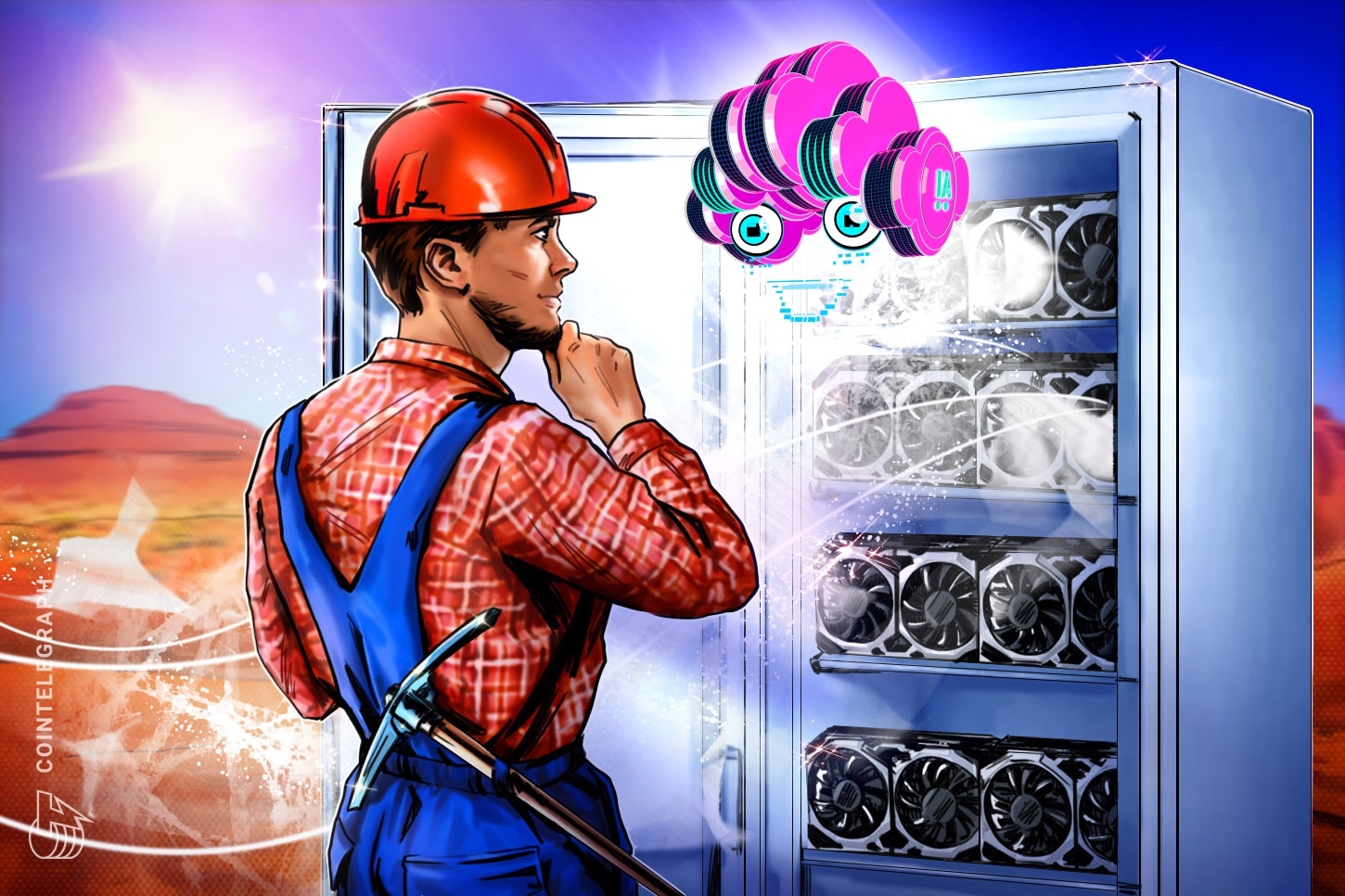
Riot Platforms is successfully pivoting its business model by integrating high-performance computing (HPC) with traditional Bitcoin mining, a move that has recently driven its share price higher despite selling BTC to fund the transition. The company's $28 billion AI lease agreement signals a shift toward diversified compute services, providing a stable revenue hedge against Bitcoin's halving-related volatility. While the sale of Bitcoin holdings to finance this expansion initially concerned some purists, the market has reacted positively to Riot's clear path toward infrastructure scaling in the AI sector.
Technically, Riot’s strategy involves leveraging its existing power footprints to host AI workloads, a trend that is becoming dominant among US-based miners in early 2026. By securing one of the largest AI-focused leases in the industry, Riot has positioned itself as a primary player in the domestic compute market. This aggressive expansion is being watched closely by institutional investors who are looking for crypto-adjacent ways to play the ongoing AI boom while maintaining exposure to the underlying blockchain infrastructure.
Meanwhile, Hut 8 is experiencing the growing pains of a similar transition. Its recent earnings report highlighted falling revenue and escalating costs, which the company attributed to the lag time between building out data center capacity and the commencement of lease payments. This divergence between Riot and Hut 8 illustrates the high stakes of the 'compute wars' in the mining industry, where timing and capital management are currently more important to stock performance than the price of Bitcoin itself.
From a regulatory standpoint, this shift into AI helps these companies navigate US energy policies. By providing value-added compute services to the broader economy, miners are finding it easier to justify their massive energy consumption to state and federal regulators. This geopolitical positioning makes them more resilient to potential energy-related crackdowns that have threatened the industry in previous years.
Looking ahead, market participants should watch Riot’s BTC liquidation schedule to see if it creates significant sell pressure on the asset. For Hut 8, the focus will be on the operational launch of its pending data center leases. As 2026 progresses, the gap between diversified 'compute miners' and pure-play Bitcoin miners is expected to widen, fundamentally changing how the mining sector is valued by Wall Street.