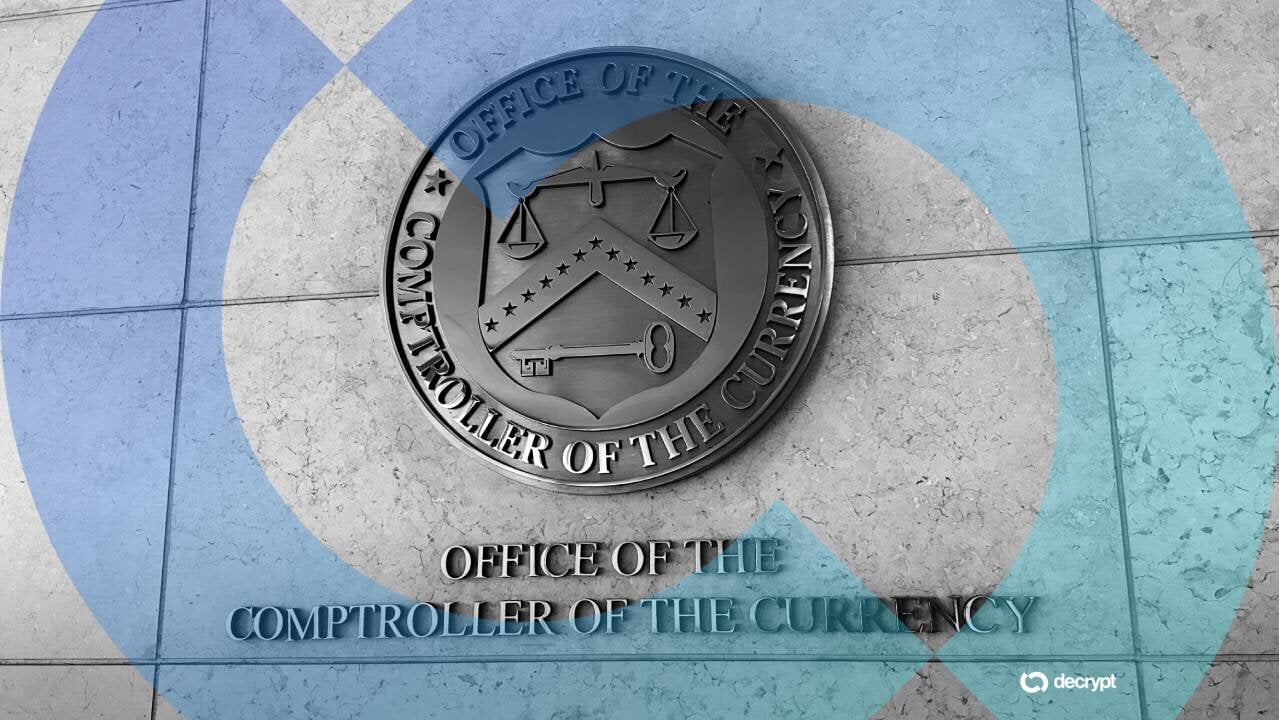
The Office of the Comptroller of the Currency (OCC) has released its first comprehensive examiner guide for Artificial Intelligence, specifically targeting the risks posed by autonomous "rogue agents" interacting with the US banking system. This framework mandates that national banks implement granular controls to monitor AI autonomy and prevent financial harm resulting from unauthorized agent actions. The regulation is a direct response to a surge in outside AI agents attempting to bypass traditional authentication protocols, which has already prompted major banks to restrict automated access to customer accounts.
Under the new 2026 guidelines, bank examiners are now required to evaluate how financial institutions manage "agentic" AI—software capable of making independent financial decisions or executing transactions without direct human intervention. The OCC is prioritizing the mitigation of systemic risks where autonomous agents might exploit API vulnerabilities to move funds rapidly across different jurisdictions. This regulatory shift signals that the era of permissive, unmonitored automated access to bank cores is ending as the government seeks to define clear boundaries for AI autonomy.
For the crypto and DeFi sectors, this framework introduces significant headwinds for the burgeoning "AI Agent" narrative. Many decentralized protocols currently developing autonomous liquidity managers or automated cross-chain swappers rely on seamless integration with fiat on-ramps. If US banks are forced to treat all external AI agents as high-risk "rogue" entities, the technical and compliance barriers for crypto-native AI platforms to access the US dollar payment rails will become significantly steeper.
In the coming months, market participants should watch for how the OCC defines "financial harm" thresholds and whether specific white-lists for verified AI agents will be established. The industry will also be looking for potential follow-up guidance from the Federal Reserve to see if these AI restrictions will be applied across the entire shadow banking system. As banks audit their API access points under these new rules, we may see a temporary decrease in the availability of integrated AI-banking services, forcing DeFi developers to pivot toward more robust on-chain identity solutions for their agents.