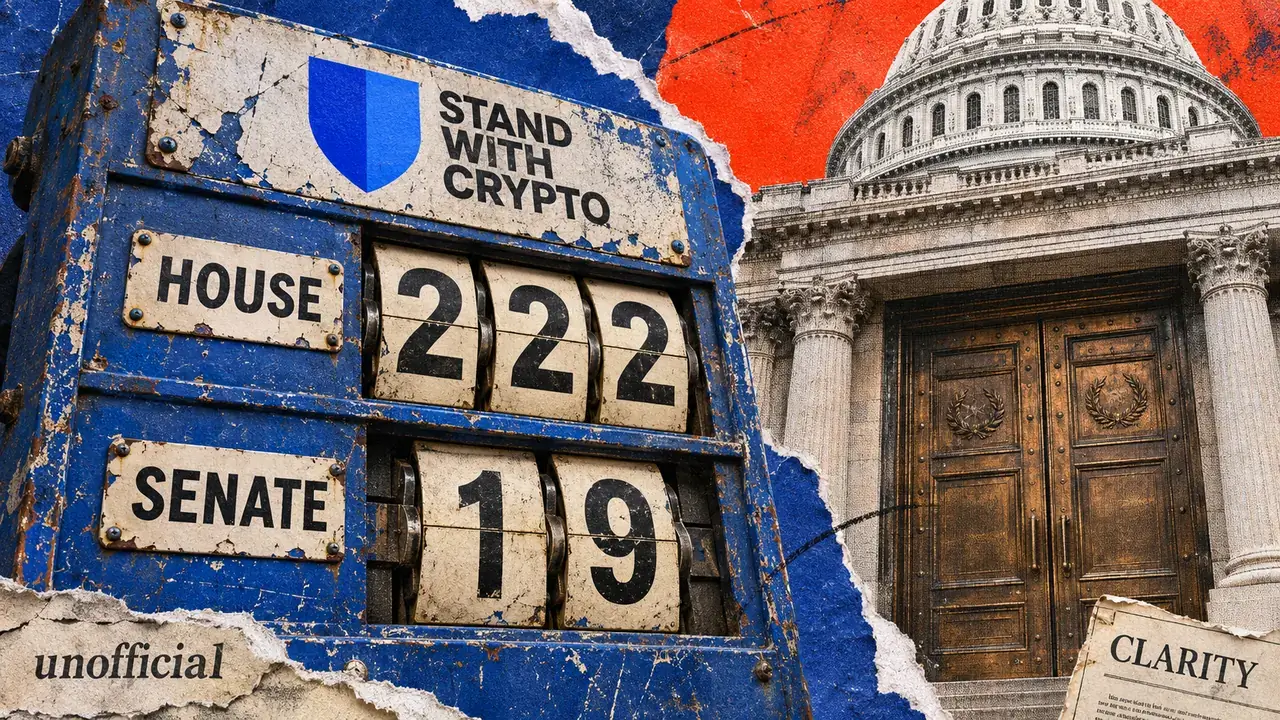
The arrival of 241 pro-crypto members in the 2026 U.S. Congress provides the strongest legislative mandate for digital assets in history, directly paving the way for the CLARITY Act. This new majority, identified by industry trackers, suggests that the gridlock surrounding stablecoin regulation and market structure is likely to transition into active policymaking. While seat numbers do not guarantee unanimous votes, the influx of CLARITY-aligned representatives indicates that the era of 'regulation by enforcement' is being replaced by a push for formal federal frameworks.
This power shift follows a highly coordinated campaign by advocacy groups to ensure that blockchain innovation became a non-partisan priority during the 2026 election cycle. The unofficial victory tally reflects a growing consensus among lawmakers that the U.S. must provide a clear legal environment to retain its competitive edge in the global fintech landscape. The presence of so many backers for the CLARITY Act specifically suggests that stablecoin issuance and consumer protections will be the first items on the legislative agenda for the upcoming session.
From a market perspective, this pro-crypto sweep reduces the political risk premium that has long sidelined institutional capital. With a favorable Congress, the threat of sudden, restrictive crackdowns diminishes, replaced by the prospect of a regulated environment where banks and financial institutions can more safely integrate blockchain technology. This political tailwind is expected to bolster sentiment across the broader market, particularly for assets tied to U.S.-based payment infrastructure and decentralized finance protocols.
Readers should closely monitor the upcoming committee assignments, particularly the House Financial Services and Senate Banking Committees, which will serve as the gatekeepers for these bills. The true test of this 241-seat majority will occur within the first 100 days of the 2027 legislative session, as the industry watches to see if these pro-crypto endorsements translate into a floor vote for the CLARITY Act. Until then, the market remains cautious but optimistic that the legislative tide has finally turned.