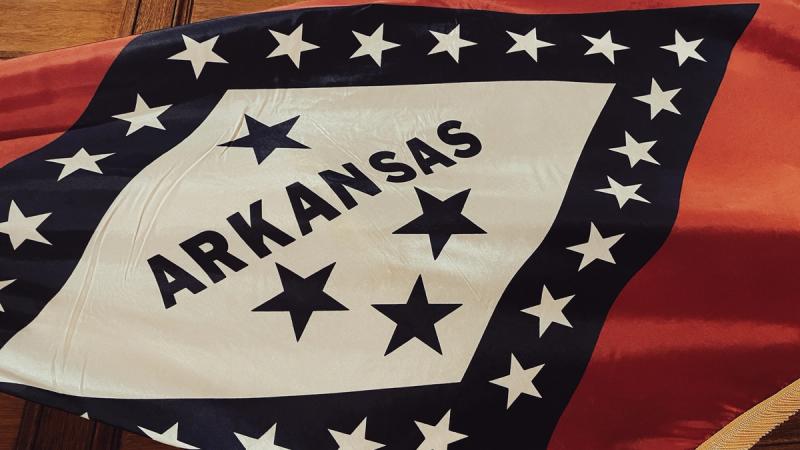
Arkansas has filed a lawsuit against Kalshi, alleging that the prediction market is running an illegal gambling operation within the state. The lawsuit centers on the argument that Kalshi’s event-based contracts—which allow users to trade on the outcome of elections, weather, and policy decisions—constitute unauthorized wagering under Arkansas state law. While Kalshi is a federally regulated exchange under the Commodity Futures Trading Commission (CFTC), Arkansas authorities contend that federal oversight does not exempt the company from complying with stricter state-level gambling prohibitions.
This legal challenge follows similar civil and criminal charges filed by Utah and several other U.S. jurisdictions earlier in 2026. The core of the conflict is a jurisdictional battle over whether federal financial regulations preempt state police powers regarding gambling. Kalshi has long marketed itself as a transparent, regulated alternative to offshore or decentralized betting sites, but state attorneys general are increasingly skeptical of the platform's retail-facing "prediction" model, which they equate to sports betting.
The implications for the broader prediction market industry are significant. If Arkansas successfully argues that state gambling laws override Kalshi’s federal registration, it could force the platform—and its competitors—to geofence a growing number of U.S. states. This would fragment liquidity and potentially drive users toward decentralized, crypto-native alternatives like Polymarket, which already operate outside of direct U.S. retail licensing but face their own set of regulatory hurdles.
Investors and users should watch for Kalshi’s legal response, specifically whether they will seek a federal injunction to stop state-level prosecutions based on federal preemption. The outcome will likely determine if prediction markets can operate as a unified national service or if they will be forced into a state-by-state compliance model similar to the U.S. sports betting and online lottery industries. For now, Arkansas residents may face restricted access to the platform as the litigation proceeds.